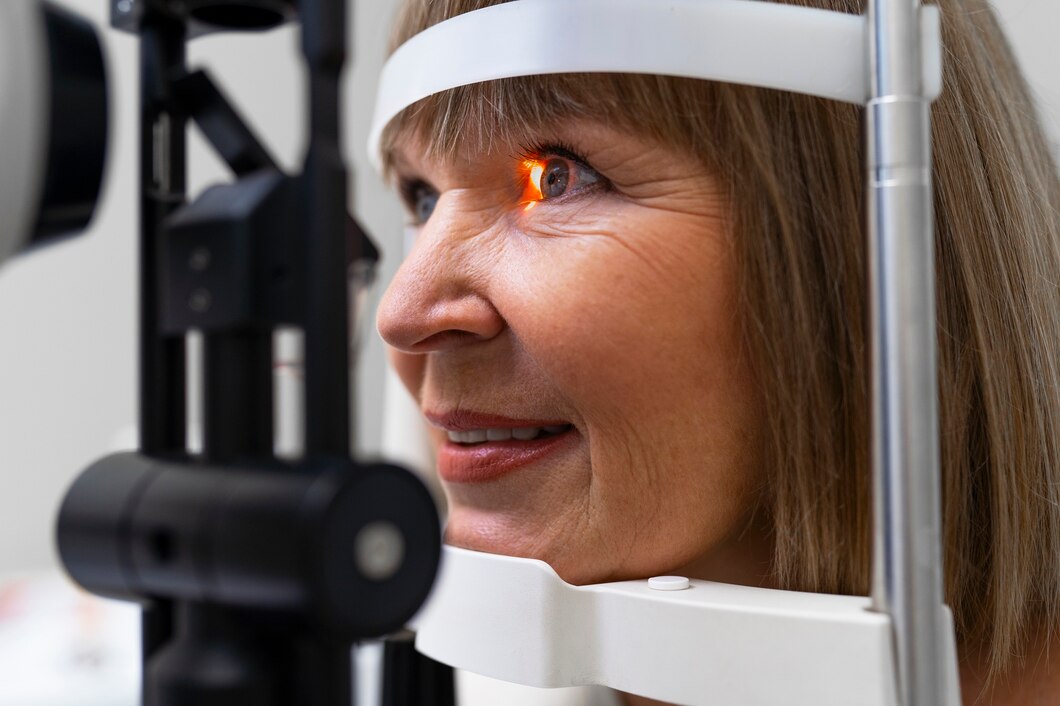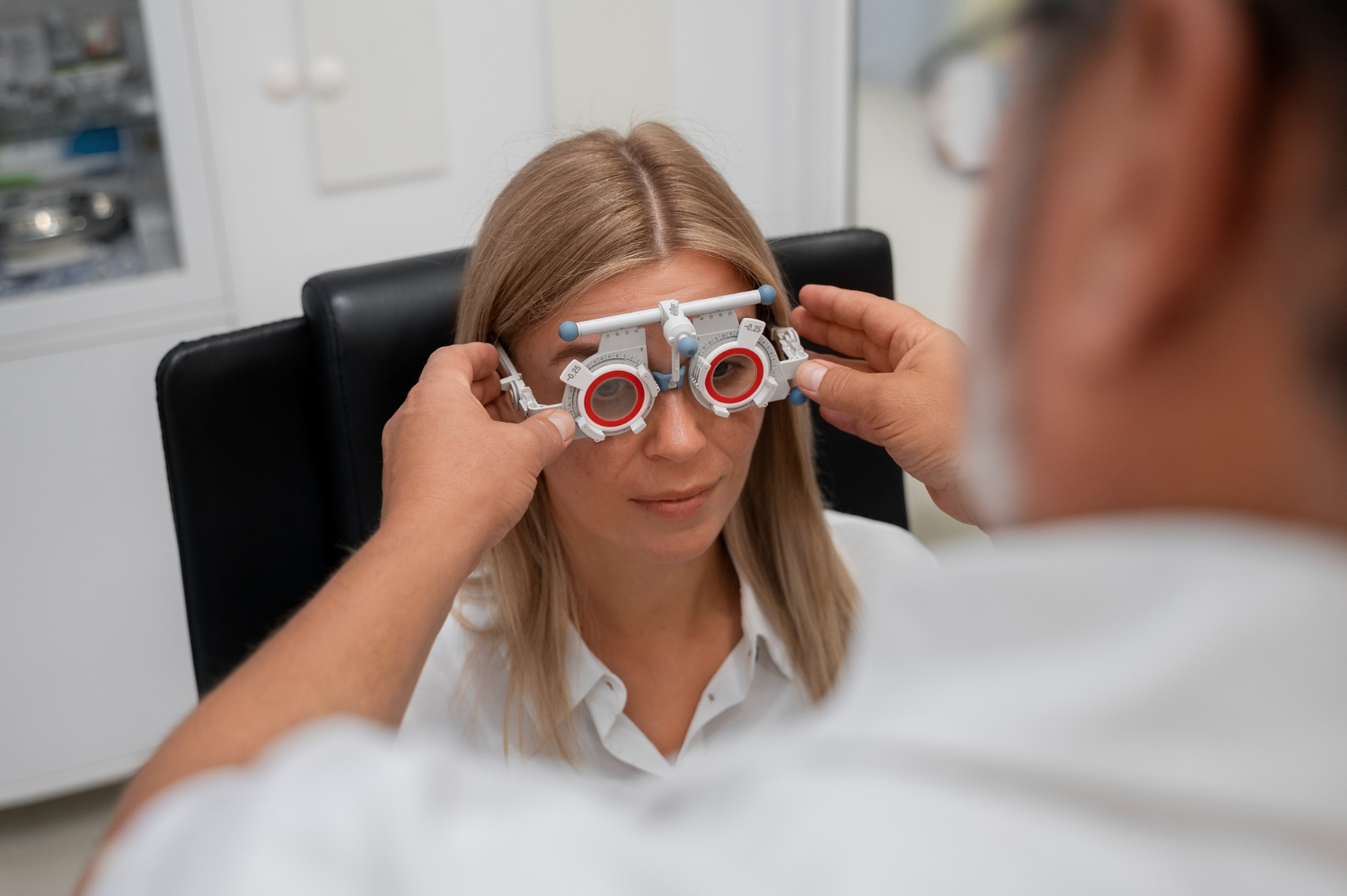
Cataracts: best known as an “old person’s dilemma,” this medical condition has made its presence known in the lives of many senior citizens.
Often characterized by its effects on the clarity of one’s vision, cataracts are commonly prevalent in the elderly as it is mainly brought about by age and other related conditions. What most people don’t understand about the disease, however, is that it can also occur in those who are still far from their senior years. In fact, some people are even born with them!
Fortunately, avoiding the risk of contracting this eye disease and delaying their development can be quickly done by following several tips and tricks. Here are four effective ways you can prevent the early onset of cataracts:
1. Wear protection as often as you can
One of the most common causes of early-onset cataracts is the presence and buildup of eye injuries.

Regardless of whether it may be from sports or work, an eye injury can lead to the development of the condition and cause near-irreversible damage that will take some effort to fix. If you work in a high-risk workplace or have a hobby that puts your eyes at risk of blows or other types of injuries, then it’s best to invest in safety eyewear or eye protection and wear them as often as possible!
2. Cut down on your smoking and drinking
Aside from eye injuries, even excessive drinking and smooking often causes the early development of cataracts.
The main reason these two bad habits are directly linked to the disease is that doing one or the other (or even both at the same time) doubles one’s chances of contracting the condition early on. For heavy smokers, in particular, the chances of getting cataracts are tripled because of how it causes oxidation inside the eye’s lens. This is why smoking it a must-avoid if you want to protect your vision (and overall health) in the long run.
3. Get hold of your diabetes
Another common cause directly linked to the early development of the condition itself is uncontrolled blood sugar caused by diabetes.

Aside from affecting the rest of the body and its functions extensively, uncontrolled blood sugar can have devastating effects on one’s eyesight. By taking the time to consult with your endocrinologist and staying up-to-date on your medicine and doses, you can curb the risk of catching the condition!
4. Control your sunlight exposure
In addition to all the factors mentioned above, one common denominator present in most cases of early cataract development is excessive exposure to sunlight.

In particular, UV radiation has been proven to cause irreversible damage to one’s eyesight. Wearing sunglasses and avoiding direct eye contact with the sun and various types of glare can easily suffice in protecting your eyes from excessive UVA and UVB rays!
Conclusion
Despite its frequent association with ageing and the elderly, cataracts are still a persistent risk amongst younger residents as there are various other causes of early-onset cases. By taking note of the probable causes mentioned above and the necessary precautions to avoid them entirely, however, you’ll be able to easily delay the development of the condition and enjoy additional years of clear eyesight!We’re an ophthalmology and laser eye clinic in Abbotsford.
Get in touch with us today to set an appointment with any one of our professionally-trained experts!
*(DISCLAIMER: This blog post does not replace medical advice and should not be implemented before consulting a fully certified medical professional) *