This blog post does not replace medical advice and should not be implemented prior to consulting a fully certified medical professional.
One of the most neglected aspects in the health of many people is their eyesight. Most people do not give their eyes a second thought, even if they already require the help of glasses to see. Not only does this frustrate medical professionals at eye centers, but it also puts you at risk for worse medical conditions.
Understanding how the eyes work and employing healthy eyesight habits are key to making sure that your eyeballs and eyesight stay healthy no matter your age. You’d be surprised at how much you’ll feel better if you start to incorporate eye care into your daily routine.
With no further ado, here are some of the things you can do to take better care of your eyes:
Take care of your contact lenses
Wearing contact lenses is a more comfortable option to some than glasses are, but there are a number of concerns you have to take into account. For example, it is important to remove them before turning in at night. This will allow a good amount of moisture in the eyes, and can stimulate the flow of oxygen. One caveat of wearing contacts is that it can restrict oxygen flow to the eyes, so leaving it on too long might cause unnecessary strain.
Make sure to choose the right contact lenses for your needs as well. For example, extended wear contacts are 4 to 10 times more likely to cause an infection with vision loss than daily wear ones. Make sure to consult your local eye center for which ones actually fit your needs the most.
Put on sunglasses
One of the things that can speed up the degradation of your eyeballs and your eyesight is excessive exposure to UV light. Overexposure to the sun can cause photokeratitis, which is a form of temporary blindness. It can also speed up the development of cataracts.
That being said, it is not enough to just select some sunglasses right off the rack. While these may filter out the light, sunglasses can have the effect of opening up your pupils. Without UV filtration, however, this simply means that the wrong pair of sunglasses can let in more UV rays rather than protect your eyeballs.
Keep your cosmetics clean
Eye makeup, such as eyeshadow and mascara, should be discarded and replaced at regular intervals. Failing to do so might end up with these cosmetic products becoming hotbeds for bacterial growth, which can result in bacterial infection in the eyes. Professionals at eye centers even recommend avoiding eye makeup containing glitter and small flecks that can irritate the eye.
Reusable tools such as eye brushes should also be regularly washed and sanitized as well. Simple soap and water is enough to clean these items and prevent infections such as conjunctivitis.
Schedule regular eye exams
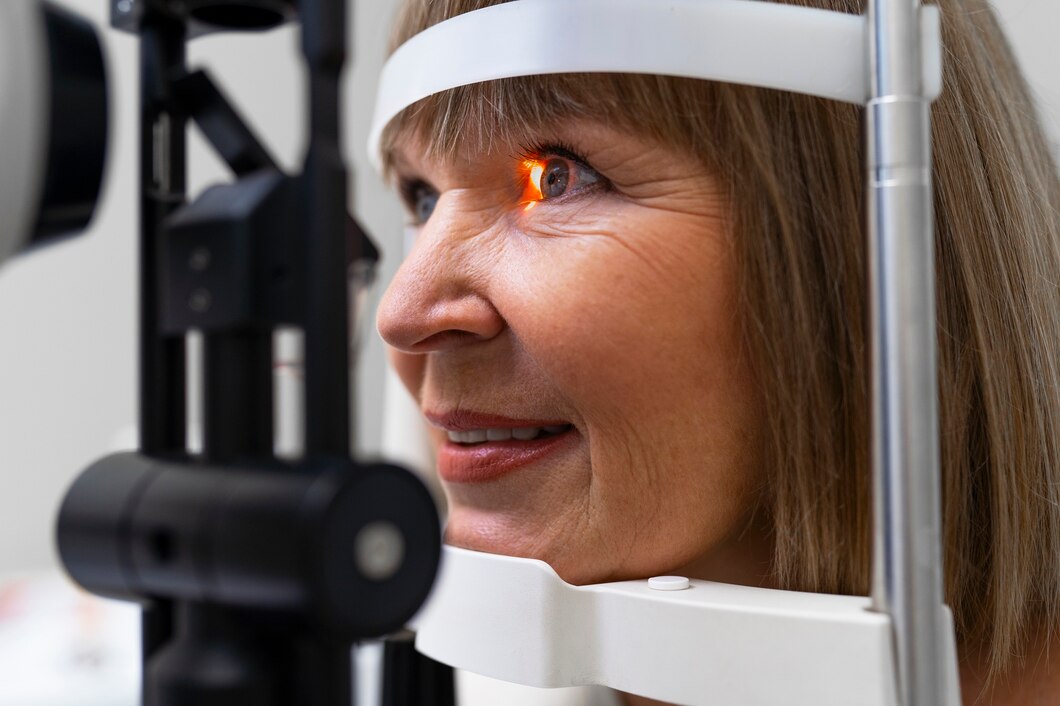
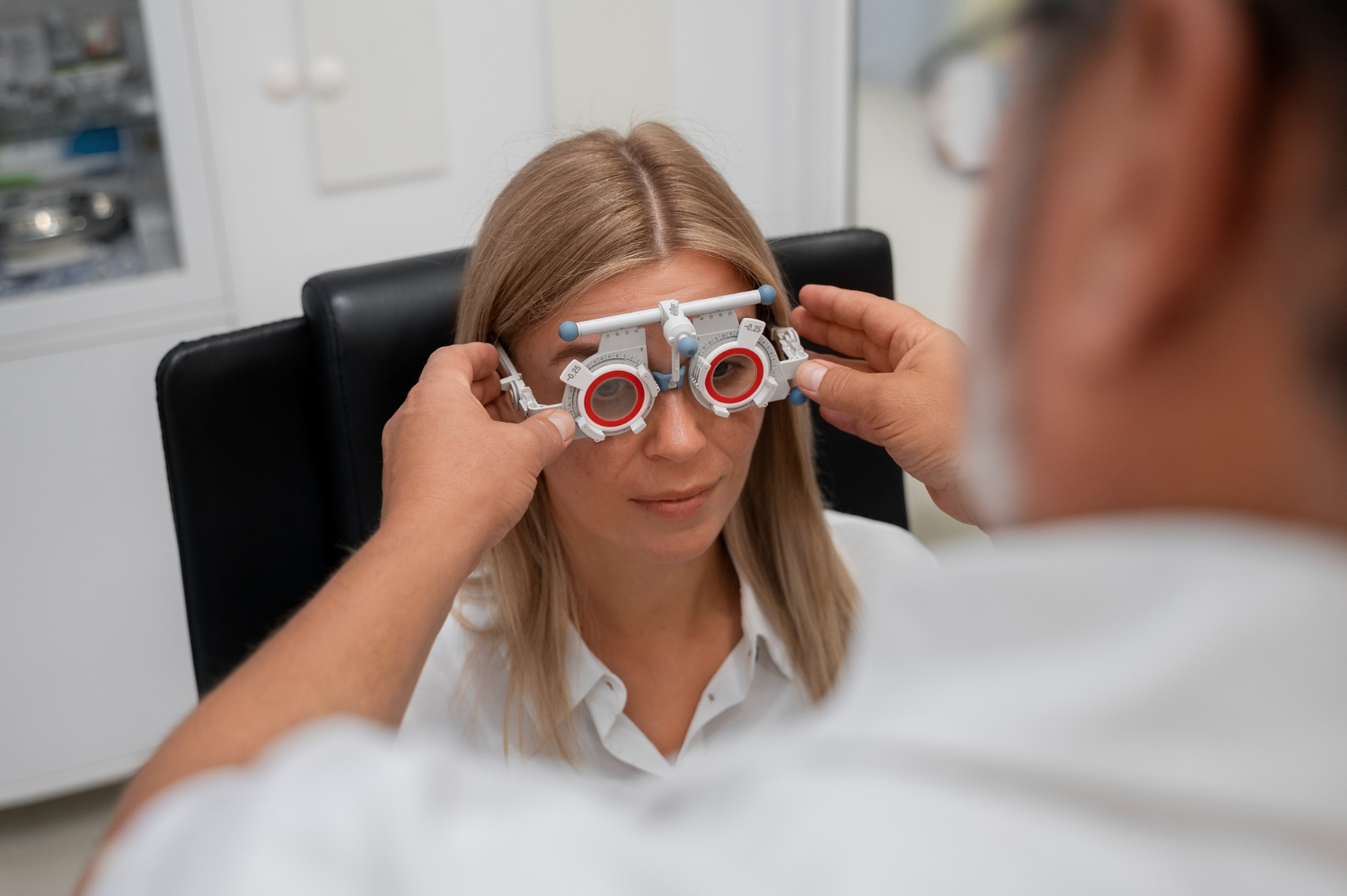
An annual exam with your local eye center should be in order, especially if you do notice yourself experiencing eye strain more and more. This, on top of doing all the right things to take care of your eyes, should serve to keep your eyesight stable and healthy. Of all your senses, it is perhaps the one that you should never take for granted.
If you’re looking for an eye center to consult about your eyesight, set up an appointment with us at Valley Laser Eye Centre. We use advanced technologies and techniques to keep our patients happy and healthy.