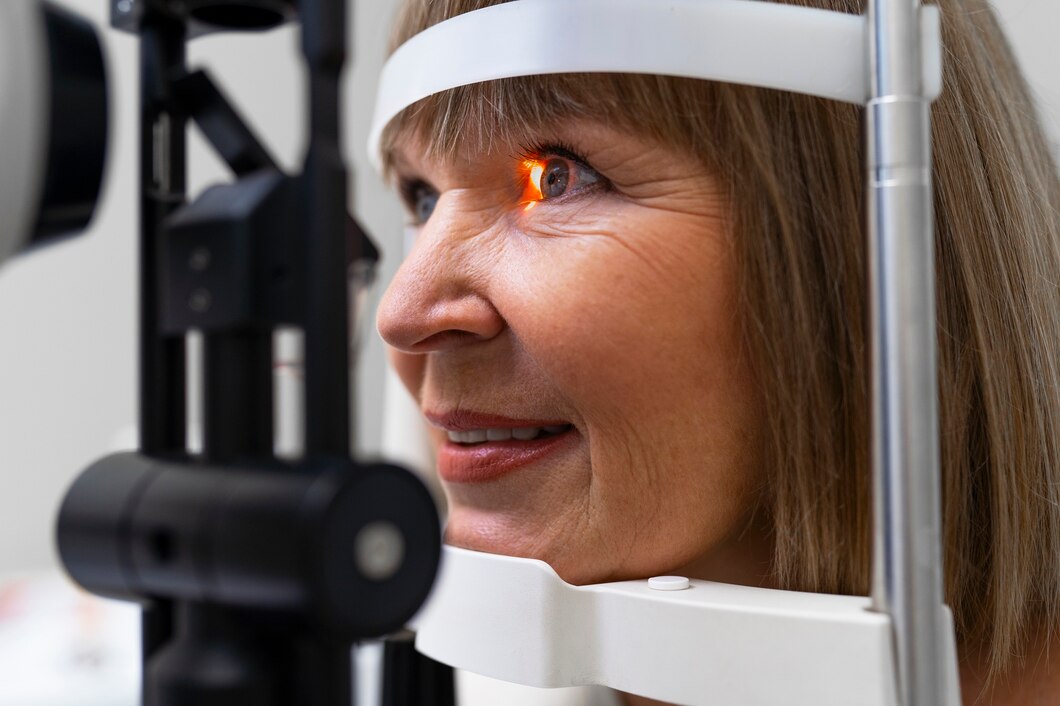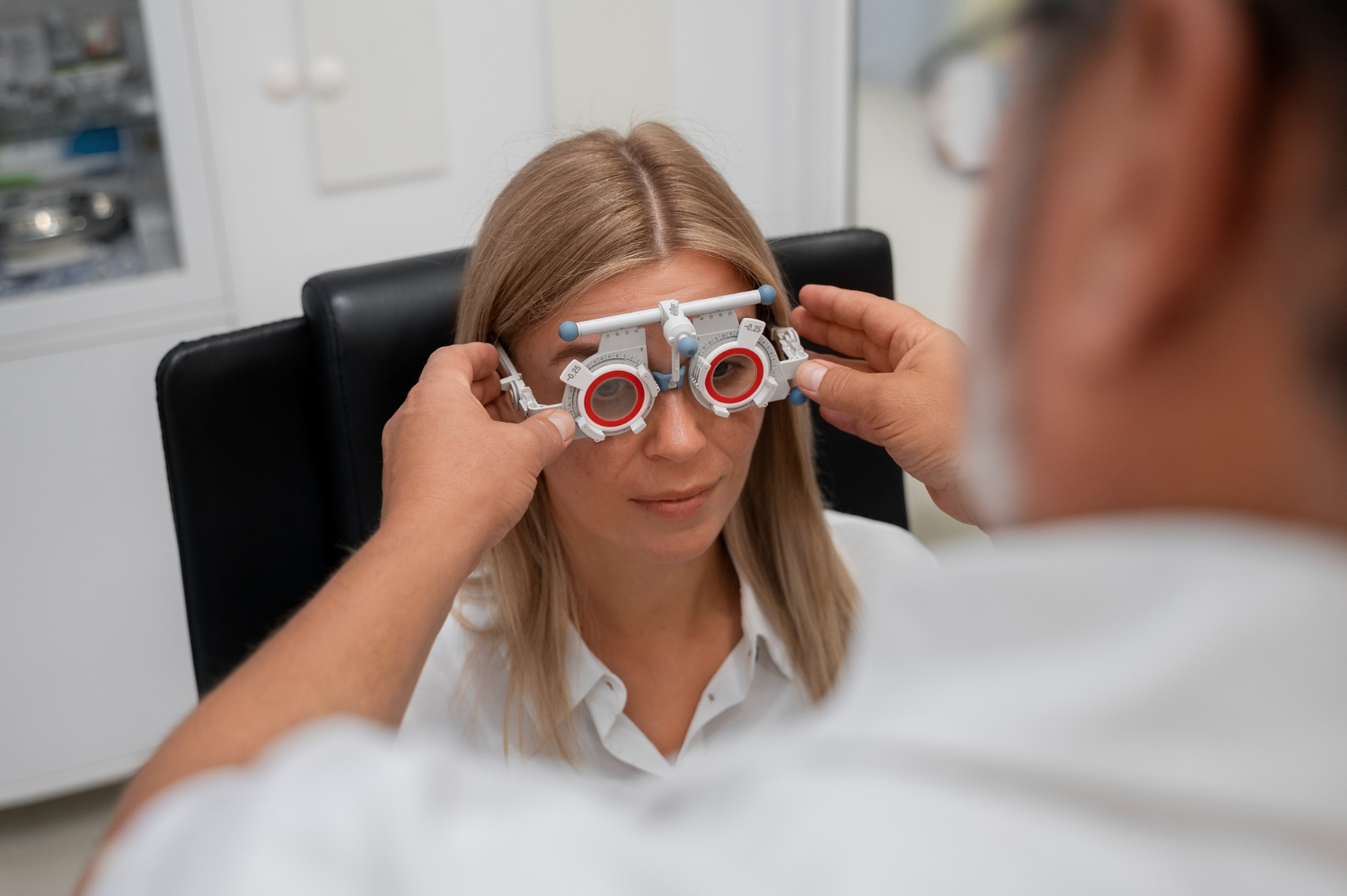
If you have ever felt that you’re nearsighted or farsighted, or have blurred vision, then you might want to consider undergoing a LASIK eye surgery. LASIK is said to be the most common laser eye surgery performed to treat myopia, hyperopia, and astigmatism. As with any refractive surgery types, the procedure aims to reshape the cornea to allow light to enter the eye. The surgery typically takes about fifteen minutes for both eyes, and the vision usually stabilizes after a few days.
Before and after your LASIK surgery, however, there are several considerations to keep in mind. For your guide and reference, below are five practical tips on what to do before and after the surgery.
1. Drink plenty of water
Experts advise that you drink plenty of water before and even after the LASIK surgery. Doing so is essential in keeping you hydrated and promoting faster healing after the procedure. Know that dry eye is a common side effect of the surgery, so drinking water can keep your eyes adequately lubricated. That said, make sure to aim for at least eight-ounce glasses of water per day.
2. Do not wear contact lenses
It should go without saying that wearing contact lenses is not allowed during your LASIK procedure. Make sure to give your eyes a rest by wearing glasses for a certain time before the surgery. Know that wearing contacts can change the shape of your cornea, thereby affecting the results of your LASIK procedure. Before and after the surgery, you will have to discuss with your eye doctor when to stop wearing contact lenses.
3. Wear a comfortable outfit
You must be comfortable with what you wear during the LASIK procedure. This is because you have to be awake during the procedure. As much as possible, opt for loose clothes, such as leggings, athletic shorts, a zipper hoodie, or a soft t-shirt so that you can easily take them off once you return home.
4. Do not have makeup, perfumes, or lotions
On the day of the procedure, make sure not to wear too much makeup, perfume, or lotion. Firstly, take a shower and ensure that your face is clean of any contaminants. Secondly, skip spraying any perfume at all. Finally, don’t put on any hand or face lotion to avoid making your skin greasy and getting it into your eyes.
5. Have someone drive you home
Know that you are not allowed to drive yourself home after the LASIK surgery. That said, make prior arrangements with a friend or family member to take you to the clinic and drive you home after the procedure. Most LASIK patients are cleared to drive during their follow-up appointment the following day.
After your surgery, make sure that you set apart one full day to rest before resuming with your routine activities. Give it a few days or so, and you’ll be ready to explore the world with your clearer vision.
Without the hassle of glasses getting in your way or contact lenses to be worn, you can now enjoy various activities, such as biking around the park, playing laser tag, or the activities that you’ve quite missed out on due to poor eyesight. A life with a brand new vision awaits you!
If you’re looking to have LASIK surgery done in Abbotsford, get in touch with us today to see how we can help.