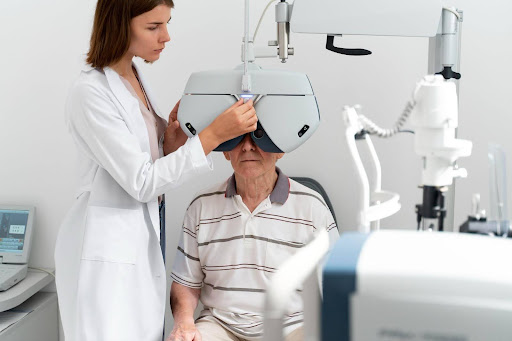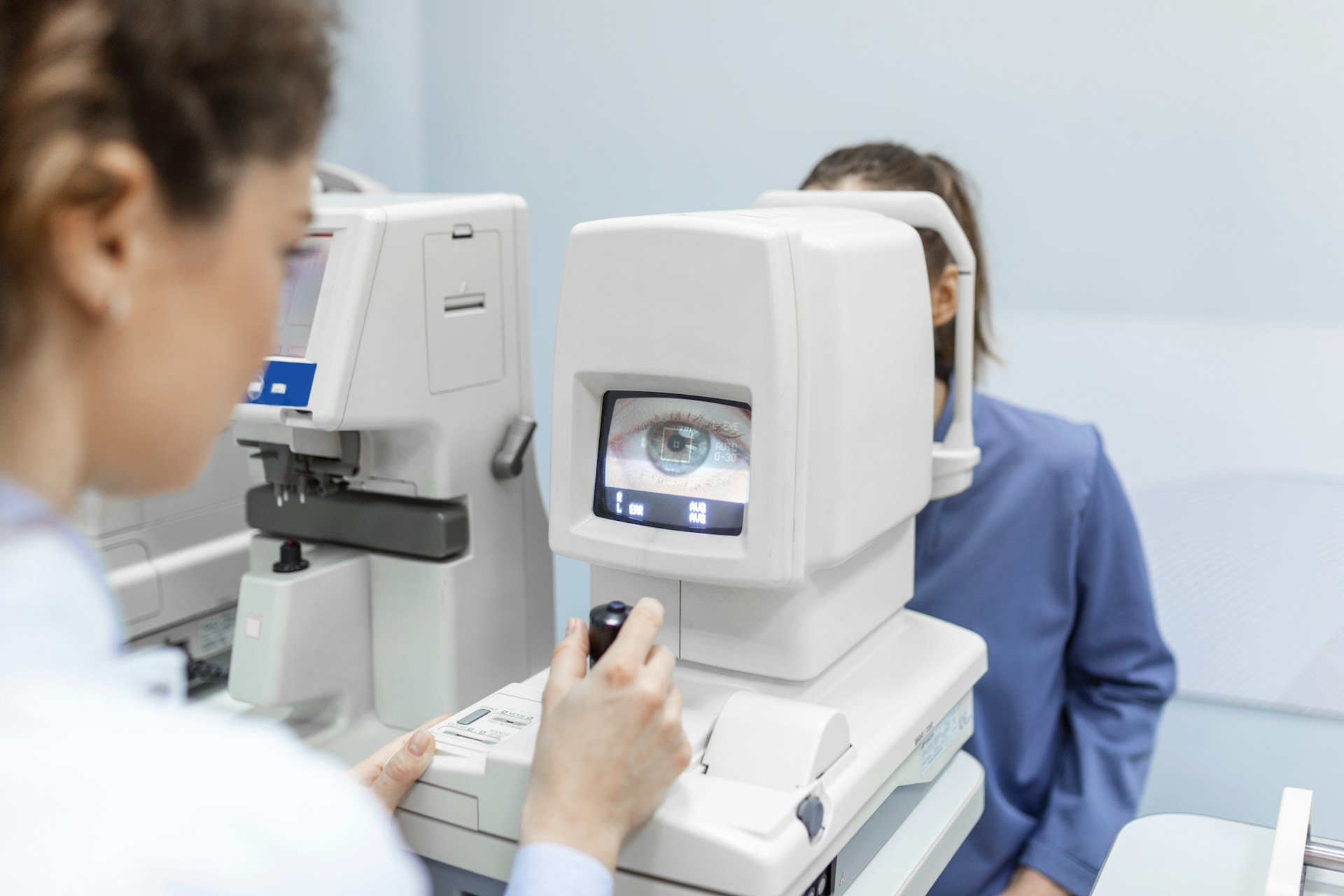
Many of us hold onto our youth because there are various adverse effects that aging brings into our lives. Aside from its impact on our appearance, it can also influence our ability to do and see things. For one, a change in eyesight is almost inevitable with age. At some point in our lives, probably around the age of 40 or slightly more or less, we will experience presbyopia.
Presbyopia is a normal part of ageing, wherein the eyes gradually lose the ability to see things clearly up close. Many people find this alarming when it happens, but if you experience this, it’s likely presbyopia, which is part of growing older.
If you’re nearing that age or you’re already experiencing some changes to your eyesight, here are seven questions that you might ask yourself about presbyopia:
1. “Why is it harder to see in the dark?”
“Does life really begin at 40?” This is a question you might ask yourself when you notice the onset of presbyopia. In some cases, you will notice that you find it harder to see in the dark. The truth is, when you reach your 40s, you will need more light to see well. If you have the eye condition in question that causes glare and you find it difficult to drive at night, your doctor may recommend progressive lenses to improve night vision.
2. “Should I undergo a LASIK procedure?”
You can undergo a LASIK procedure, but a different type is usually advised, which is Monovision. This treatment is currently the most popular for people with presbyopia. However, not everyone is a candidate, and it also has side effects. For this reason, be sure to consult with your primary healthcare provider before making any decisions.
3. “Should I repeat my LASIK treatment?’
For people who had previous procedures, keep in mind that the treatment doesn’t prevent presbyopia from occurring. It is also important to understand that LASIK does not “wear off.”
4. “Do I have other options besides reading glasses?”
There are alternatives to reading glasses, but you must first visit your doctor for a consultation. Your doctor could recommend surgical procedures to treat presbyopia.
5. “Are there eye exercises I can do to improve my vision?”
No. Your eyes are one of the few parts of your body that will not benefit from any form of exercise. Likewise, there are no eye exercises to prevent or even correct presbyopia.
6. “Are there diet or supplements I can take to prevent or reverse presbyopia?”
Maintain a diet that is rich in Vitamin C, as well as Zinc and essential fatty acids. These can merely support eye health and have a positive effect on the vision for the long term. However, keep in mind that there is really no diet and supplement that can prevent it when presbyopia occurs.
7. “What should I do if I don’t want to wear eyeglasses?”
If you are suffering from this visual condition and you don’t want to wear eyeglasses, you can wear contact lenses or seek other surgical procedures instead. Experts worldwide are still working on finding a solution that will not sacrifice distance vision.
Conclusion
Presbyopia is one of the conditions that many people will have to deal with as they age, usually around their 40s. Unfortunately, there’s no way to prevent or reverse this condition. The FAQs listed above will help you be more familiar with it and deal with it better. Nevertheless, make sure you visit an ophthalmologist when you notice signs of presbyopia so that you can get the best treatment for the eye condition before it gets worse.
Are you looking for a reliable ophthalmologist in Abbotsford? Then you have come to the right place! At Valley Laser Eye Centre, we offer presbyopia treatments, such as RLE surgery and LASIK eye surgery. Get in touch with us today to book a consultation with our experts!
Disclaimer: This blog post does not replace medical advice and should not be implemented prior to consulting a fully certified medical professional.