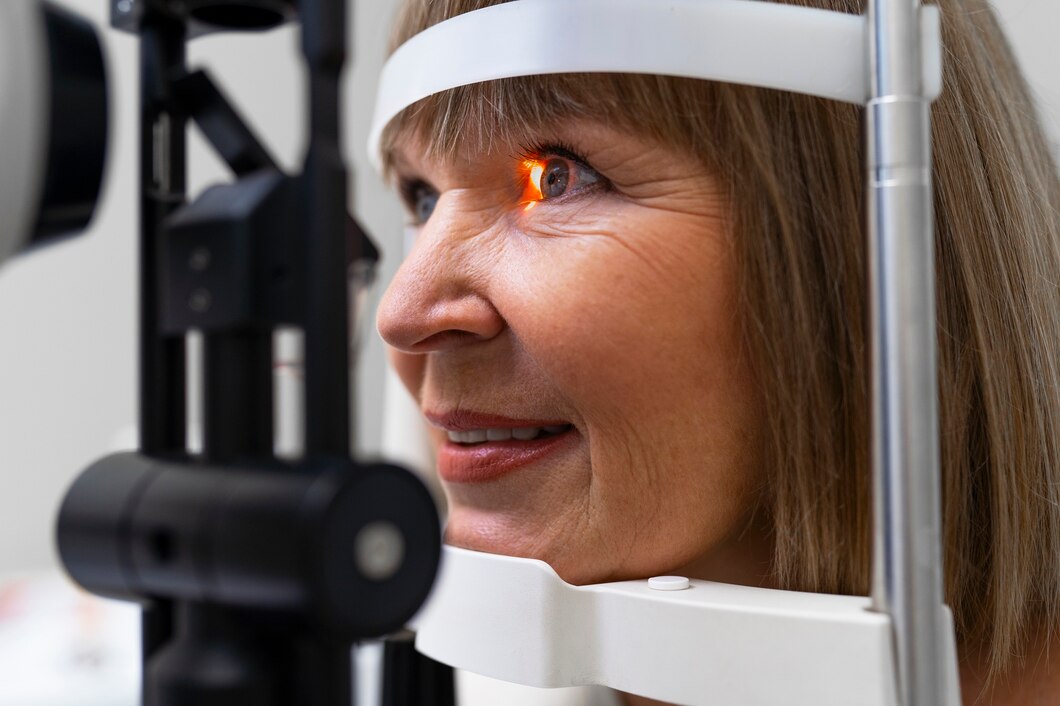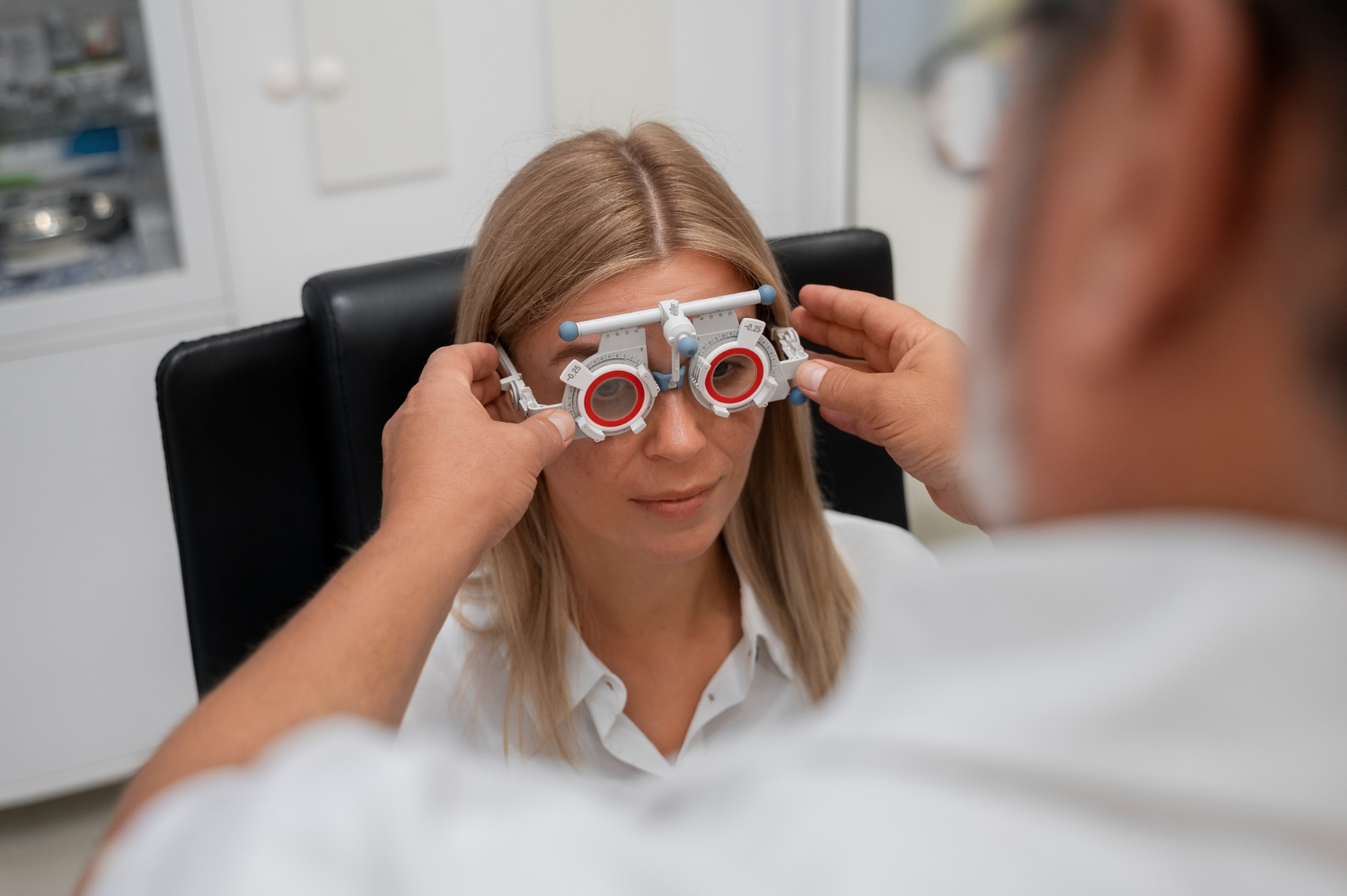
The cornea is the clear, convex part at the front of the eye that helps protect it and bends (refracts) light to allow us to see. It is located just behind the iris and the pupil and in front of the sclera (the white of the eye). It is connected to the conjunctiva—the thin, transparent layer covering the eye’s white and the eyelids’ inside—via a continuous layer of epithelium (cells). Infections, inflammatory conditions, and trauma can spread from one to the other.
5 Symptoms of Corneal Problems
- Pain: Most corneal problems cause some discomfort, though there may be very little pain if there is severe damage to the nerves. If there is only a small apparent problem, but the pain is severe, this is a possible sign of acanthamoebic keratitis, which can be devastating.
- Reduced Visual Acuity: Visual acuity will be affected by any damage to the central visual axis or distortions to the cornea. Tears caused by pain can also affect vision temporarily.
- Light Sensitivity: People in pain often can’t stand bright lights.
- Red Eye: This is a common symptom alongside the others.
- Systemic Symptoms: Patients with acute corneal disease often experience headaches, mild nausea, and run-downness.
Acute Corneal Problems
1. Corneal Injury
The cornea can heal quickly from minor injuries or abrasions. If the cornea is scratched, healthy cells will move over and cover the injury before infection can occur. However, if the scratch is deeper, the healing process will take longer and can cause more pain, blurred vision, tearing, and sensitivity to light. Deep scratches can also leave scars on the cornea that can impair vision.
2. Infections
Corneal infections, also called keratitis, can occur when something such as a foreign object or contaminated contact lens damages the eye and allows bacteria to enter. This is the most serious complication of contact lens wear. Symptoms of a corneal infection may include reduced visual clarity, corneal discharge, and in some cases, the erosion of the cornea or corneal scarring. The deeper the infection, the more severe the symptoms and complications.
3. Allergies
Allergies that affect the eyes are usually caused by pollen but can also be caused by other things such as medications, animal hair, and cosmetics. Touching or rubbing your eyes after coming into contact with chemicals or soaps may also cause an allergic reaction. The best way to treat this is to try and eliminate or minimize exposure to the allergen.
Non-Acute Corneal Problems
4. Dry Eye
Dry eye is a condition where the eye doesn’t produce enough tears, or the tears produced are of poor quality. This can make it difficult to keep the eye’s surface lubricated and comfortable. Dry eye is more common in postmenopausal women and is associated with some connective tissue diseases. Artificial tears, which lubricate the eye, are the main form of treatment and are available without a prescription. Lubricating ointments may also be used at night. Humidifiers, protective glasses, and avoiding windy and dry conditions can also help manage dry eye symptoms.
5. Congenital Problems
A baby with a suspected eye abnormality should be seen by a doctor as soon as possible, even if they seem healthy in every other way. Under congenital corneal problems are abnormalities of size and shape and corneal opacities.
Conclusion
A lot of corneal problems are not serious in nature. And while they can be uncomfortable in the short term, they don’t necessarily mean that you need a significant lifestyle change. However, any condition that could potentially cause sight loss should be taken very seriously, and you should seek medical advice quickly.
This blog post does not replace medical advice and should not be implemented prior to consulting a fully certified medical professional.
Valley Laser Eye Centre is a laser eye clinic in Abbotsford, British Columbia. Our highly-trained staff is committed to maintaining a comfortable, professional, state-of-the-art facility so clients can enjoy a seamless vision clinic experience. We offer ICL, Lasik, Cataract surgery, Refractive Lens Exchange, Photorefractive Keratectomy (PRK), and reading vision correction. Book a consultation today and restore your perfect vision!