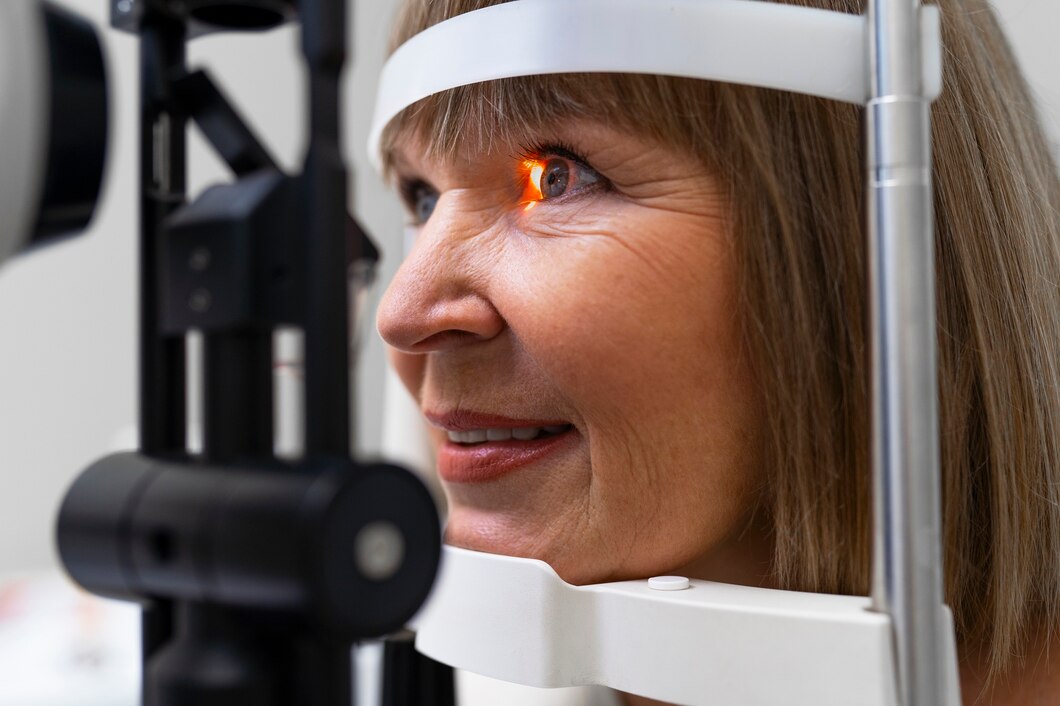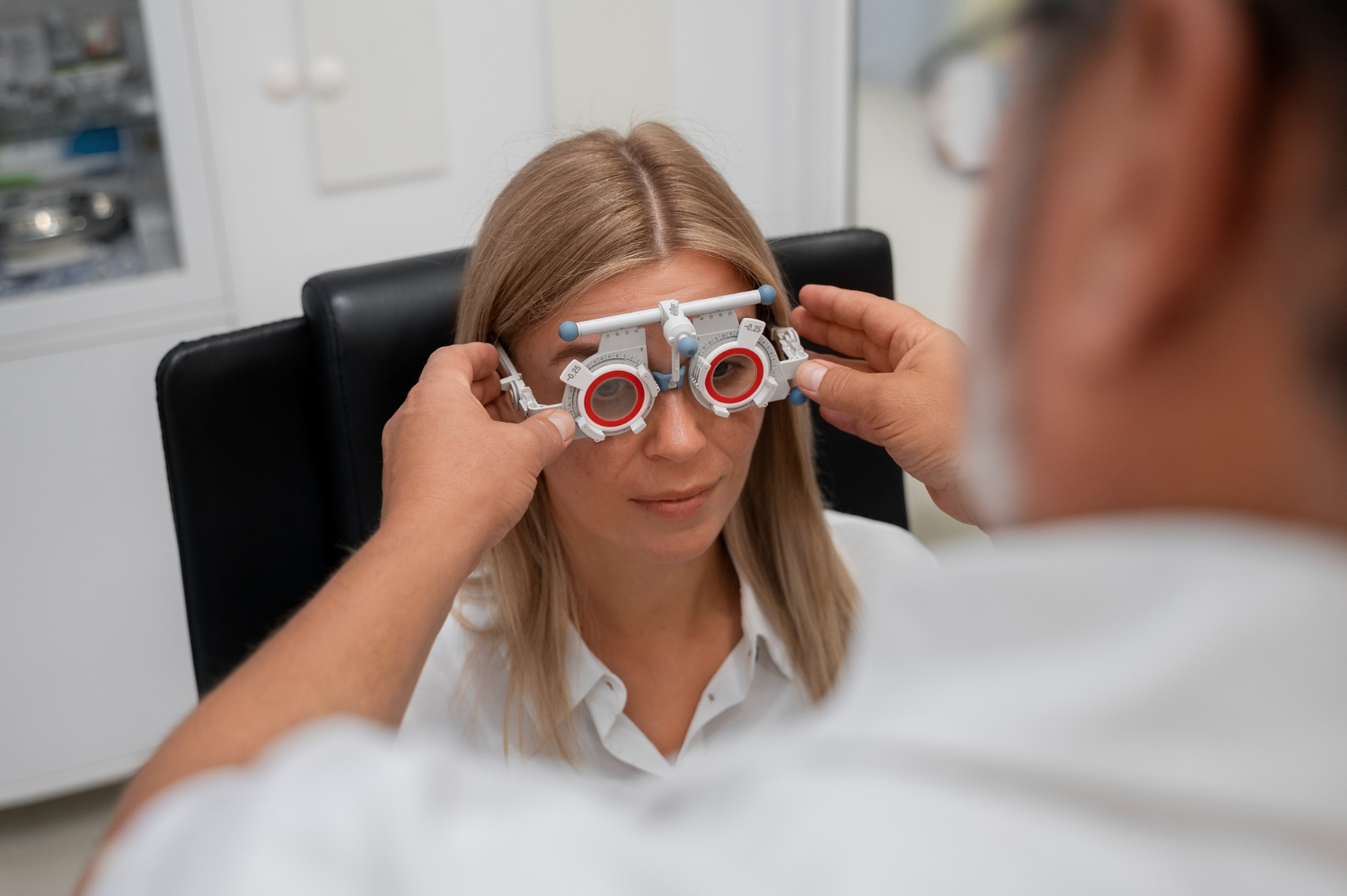
Are your eyes giving you a hard time? If you’re getting tired of losing your glasses or changing your contact lenses regularly, it might be time to get LASIK surgery. LASIK surgery would be a great permanent solution to your eyesight problems, so it might be good to consider having the treatment.
While you are still deciding whether LASIK surgery will be right for you, here are the most popular questions about it that can help you make the right decision.
1. Who Qualifies as a Candidate for LASIK Surgery?
LASIK surgery is a solution available for most adults. Usually, people who suffer from the following conditions can have LASIK:
- Distorted corneas
- Clouded corneas
- Myopia (short-sightedness)
- Hyperopia (long-sightedness)
- Astigmatism
- Higher degrees of myopia or hyperopia
- People who suffer from keratoconus
- People with corneal scars from eye injuries
- People who have a history of dry eyes
However, you should go through an eye exam first to identify whether this option will be good for you. You should also be at least 18 years old, free from an auto-immune disease, not be pregnant, not be breast-feeding, have no history of cataracts or glaucoma, and have relatively healthy eyes.
2. Will LASIK Surgery Be Painful?
The short answer is no. You will feel a slight pressure on your eyes during the procedure, but the procedure is relatively quick so that you won’t feel pain. There is no need to worry; the pain is like having a rubber band snapped on your skin.
3. What Are the Risks of Having LASIK Surgery?
While the procedure is relatively safe, there is a small risk that you’ll have complications. The most common problem is glare, which can be solved by wearing glasses for a few days. There also might be a chance that you’ll have dry eyes, but that usually goes away after a few days or weeks.
4. What Can You Expect with the LASIK Surgery Procedure?
When you get LASIK surgery, the doctor will put you under local anesthesia. This will stop you from feeling anything during the procedure. A blade will make a flap in the front of your cornea.
There will be a vacuum instrument that will lift the flap so that the surgeon can reshape the cornea. The flap will then be put back into place. After that, the surgeon will apply a bandage contact lens to your eyes.
Most people will get LASIK surgery done on both eyes at the same time.
5. What Happens during LASIK Surgery Recovery?
In the first 24 hours after the procedure, you will have some vision disturbances. You might see halos or glare around lights, which is normal and will go away after some time. Aside from that, you should be able to see clearly from the first day
6. How Soon Can I See the Results of LASIK Surgery?
After having your procedure, your vision will be normal instantly, so you won’t have to wait for any recovery time. However, it will take at least a year before your vision stabilizes, so we recommend that you don’t drive immediately after the surgery.
The effects of LASIK surgery will last for at least 20 years, but you need to make sure that you follow your doctor’s instructions for maximum impact.
Final Thoughts
So if you’re feeling tired of changing your contact lenses or glasses all the time, you can avail of LASIK surgery and have a better vision for the rest of your life.
If you are interested in getting LASIK eye surgery, you should contact our specialists at Valley Laser Eye Centre, the best laser eye clinic in Abbotsford. Book a consultation with our expert ophthalmologist in Abbotsford, prepare for surgery day, and plan for your recovery. Call us at 604-504-3937 for more details.