It can be challenging for nearsighted people to see things from far away. Those with extreme nearsightedness or myopia might find it hard to see anything more than a foot or so away. However, they can see images close to the face.
Optometrists measure changes in visual acuity in diopters. According to the National Eye Institute, people who have myopia have negative diopters, and “extreme myopia” applies to people with prescriptions of -6.0 diopters or more. They rarely go without glasses or contacts and must rely on correction for all activities, not just driving or detail work.
Are There Long-Term Chronic Effects Of Myopia?
The light that travels through the eye needs to connect with the retinal tissue located at the back of the eye. Retinal tissue can translate light into signals. So a person can see clearly, this particular tissue needs to translate the light into signals that the optic nerve can relay to the brain. The retina is vital for sight, and myopic eyes have certain retinal risks. For instance, those with high myopia have a greater risk of retinal detachment than those who do not.
In retinal detachment, the retina pulls away from the back of the eye and does not get the nutrients it needs. When retinal tissue dies, the eye goes blind. High myopia is also connected to a higher risk for glaucoma. This is a condition that causes pressure to rise in the eye. It is also related to vessel growth and holes and separation of the macula layers. These cause blurred vision.
Is It Possible To Treat Extreme Myopia?
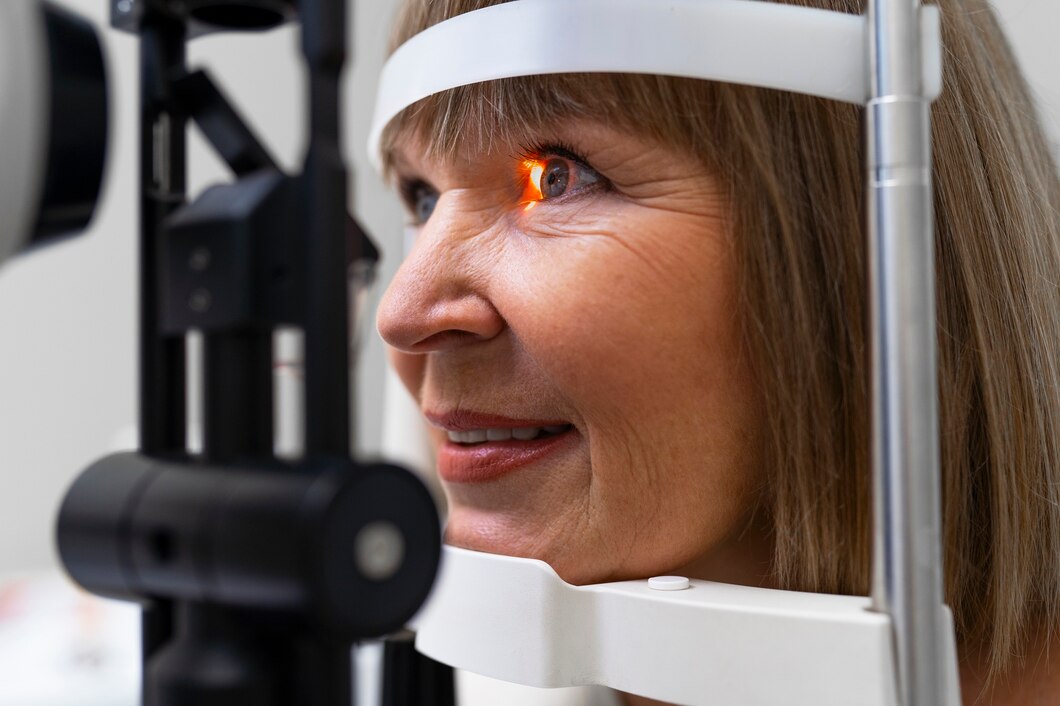
With current technology, it is not possible to treat the underlying cause of high myopia. It is why people with myopia should visit an eye centre regularly for routine examinations. Doctors look into the eye’s structure and ensure that the risks are at bay.
There are various solutions available to help their nearsightedness from extreme myopia. Many of these involve surgery, and people who choose this option can reduce their reliance on glasses or contact lenses.
One of these surgical corrections involves replacing the eye lens. The surgeon makes an incision on the eye and breaks the existing lens apart to place a new lens inside. This surgery is a good option for people with myopia who cannot undergo LASIK.
There are types of LASIK machines that can do precise work, making them a good option for people with very high myopia, as published in the Journal of Refractive Surgery. The study shows the benefits of using a particular type of LASIK procedure on people with prescriptions between -6.12 to -15.75 diopters.
According to the researchers, most of the patients who participated in the study achieved uncorrected vision after the procedure. Some even achieved comparable or better levels of vision before surgery. The researchers note that the right equipment is necessary for LASIK to work on myopic patients.
Conclusion
Extreme myopia, if left unmonitored, can cause chronic and debilitating eye ailments. A myopic person needs to regularly visit his doctor to keep tabs on the risk for illnesses like glaucoma and macular degeneration.
Visit Valley Laser Eye Centre to see if LASIK or other corrective surgeries are right for you.
We are Abbotsford ophthalmologists specializing in LASIK, PRK, refractive lens exchange, cataract surgery and more. Book a consultation today or contact us for enquiries!
Disclaimer: This blog post does not replace medical advice and should not be implemented before consulting a fully certified medical professional.