Although LASIK is a popular and effective vision correction option, not everyone is an ideal candidate for the procedure. Factors such as thin corneas, certain eye conditions, or other unique circumstances may prevent some individuals from undergoing LASIK. However, this should not be a deterrent for those seeking to improve their vision, as alternative vision correction options are available. At Valley Laser Eye Centre in Abbotsford, BC, our experienced team of eye care professionals is committed to finding the most suitable vision correction solution for each individual, regardless of their candidacy for LASIK.
In this comprehensive blog post, we will discuss the reasons why some people may not be suitable candidates for LASIK and present alternative vision correction options available at Valley Laser Eye Centre. Our goal is to empower and inform individuals seeking to improve their vision, emphasizing our commitment to providing personalized care to ensure the best outcomes.
Determining Factors that Make Individuals Unsuitable for LASIK
Various factors can make an individual unsuitable for LASIK, as it is essential for candidates to possess certain eye health and anatomical characteristics to ensure a successful outcome. Some reasons for ineligibility include:
- Thin Corneas: LASIK involves removing a small amount of corneal tissue, and individuals with thin corneas may not have enough tissue available for the procedure. This can increase the risk of complications and affect the long-term stability of the cornea.
- Large Pupils: Those with large pupils are at higher risk for experiencing glare, halos, and other visual disturbances after LASIK, particularly in low-light conditions.
- Eye Conditions: Pre-existing eye conditions such as keratoconus, glaucoma, or severe dry eyes may pose a higher risk of complications and unsatisfactory results post-LASIK surgery.
- Age and Prescription Stability: Patients under 18 years old or those with unstable prescriptions are not suitable for LASIK, as their eyes may continue to change even after the procedure.
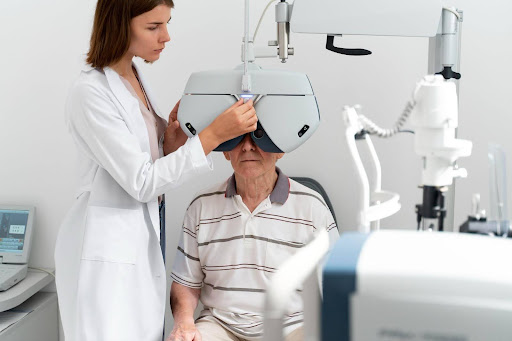
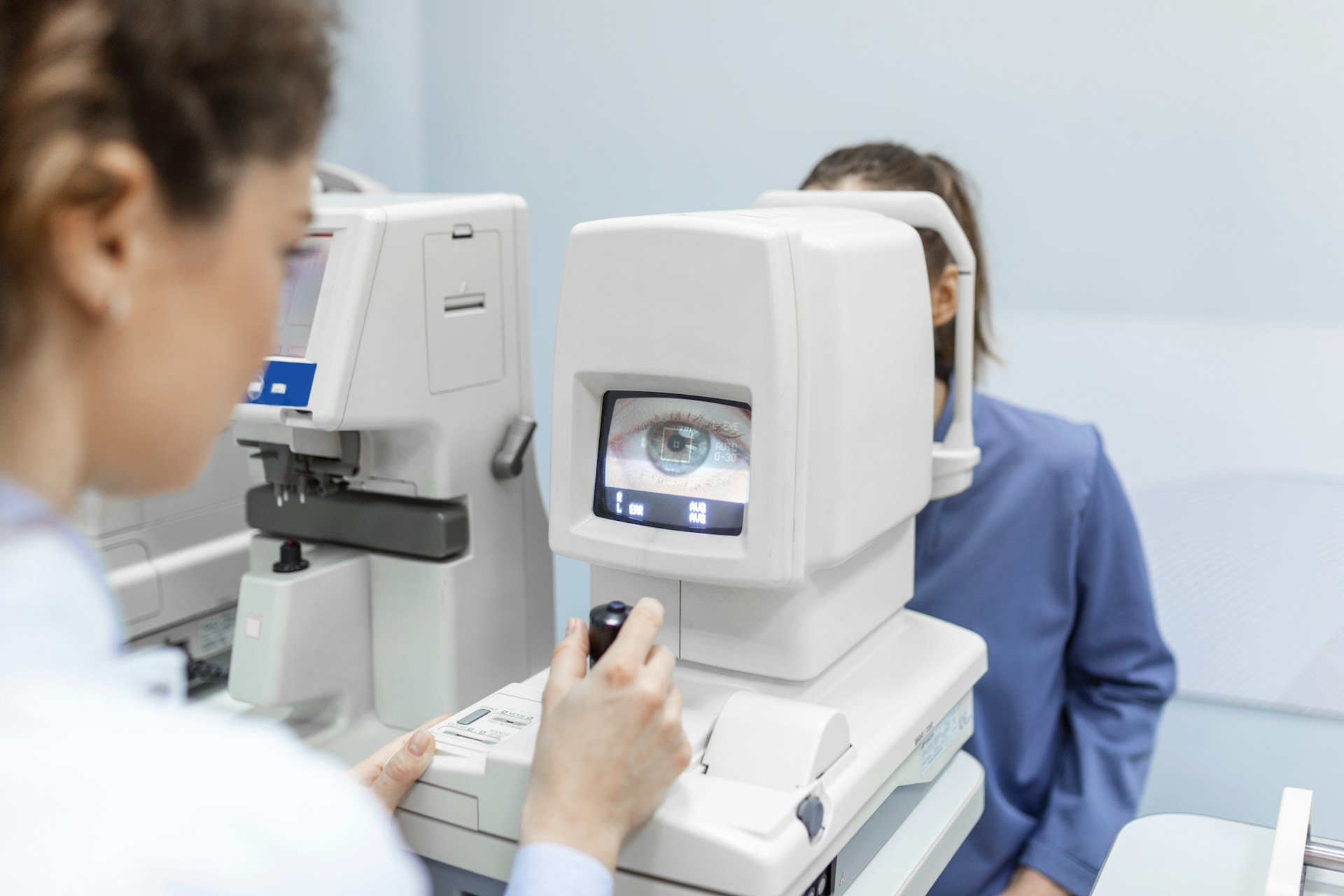
A thorough examination and consultation with a professional at Valley Laser Eye Centre will help determine your candidacy for LASIK and explore alternative vision correction options if necessary.
Alternative Vision Correction Options at Valley Laser Eye Centre
For those individuals who are not suitable candidates for LASIK, other vision correction options can provide excellent outcomes. Valley Laser Eye Centre’s experienced team of eye care professionals is committed to finding the best solution for each unique case. Some noteworthy alternatives to LASIK include:
- Photorefractive Keratectomy (PRK): PRK is a surface ablation procedure where the top layer of the cornea, called the epithelium, is removed and reshaped with a laser. This option is particularly suitable for those with thin corneas or larger pupils.
- Refractive Lens Exchange (RLE): RLE, typically used to address presbyopia and extreme myopia (nearsightedness), involves removing the natural lens in the eye and replacing it with an artificial intraocular lens. This procedure is also commonly used for cataract surgery.
- Implantable Collamer Lens (ICL): ICL is a vision correction option for individuals with high degrees of myopia or hyperopia (farsightedness). This procedure involves placing a biocompatible lens implant between the iris and the natural lens of the eye, offering a reversible alternative to LASIK.
During a consultation at Valley Laser Eye Centre, our experts will help you understand each of these alternatives in detail and recommend which option is best suited for your specific vision needs and lifestyle.
Preparing for and Recovering from Alternative Vision Correction Procedures
As with any surgical procedure, it is crucial to prepare for your chosen vision correction option and be aware of the necessary post-operative care steps. Discussing your expectations and concerns with your eye care professional will help ensure a smooth experience and successful outcome.
Before the procedure, you may need to temporarily discontinue the use of contact lenses and avoid using makeup or lotions around the eye area. Your eye care professional will provide you with comprehensive pre-operative instructions tailored to the specific procedure being undertaken.
Post-operative care is essential for achieving optimal results, so following your eye care professional’s guidance is crucial. Some common post-operative care measures include:
- Taking Prescribed Medications: Using antibiotic and anti-inflammatory eye drops as directed will help prevent infection and inflammation.
- Wearing Protective Eyewear: This will shield your eyes from harmful light and physical contact, which could jeopardize the healing process.
- Attending Follow-up Visits: Regular appointments with your eye care professional will ensure a proper healing process and allow for timely intervention if any concerns arise.
Valley Laser Eye Centre’s dedicated team will be available to support you throughout the entire process, from pre-operative preparation to post-operative care and follow-up.
Long-Term Vision Care and Maintenance
After undergoing an alternative vision correction procedure, it is essential to continue monitoring your eye health to maintain the best possible vision and overall wellbeing. Key long-term care steps include:
- Scheduling Routine Eye Exams: Annual comprehensive eye exams will allow your eye care professional to monitor your vision, eye health, and the effectiveness of your vision correction procedure.
- Protecting Your Eyes from Harmful Uv Exposure: Consistently wearing sunglasses with UV protection will help to prevent eye damage and maintain the health of your eyes.
- Being Proactive about Eye Safety: Wearing protective eyewear during sports or other activities with potential eye injury risks will help safeguard your eyes.
Conclusion
At Valley Laser Eye Centre, we understand that not everyone is a suitable candidate for LASIK, but this should not prevent individuals from achieving their vision correction goals. Our expert team is dedicated to exploring alternative options tailored specifically to each person’s unique circumstances and needs. By opting for an appropriate vision correction alternative, patients can experience significant improvements in their vision and quality of life.
Are you ready to enhance your vision and improve your wellbeing with LASIK surgery? Look no further than Valley Laser Eye Centre. Our dedicated professionals are here to help you find the most suitable vision correction solution for your unique needs. With our passion for empowering patients with exceptional care and innovative technology, you can trust us to guide and support you on your journey to better vision. Bbook a consultation with Valley Laser Eye Centre today and take the first step towards enhanced vision and improved wellbeing.
Disclaimer: This blog post does not replace medical advice and should not be implemented prior to consulting a fully certified medical professional.