
Dr. John F. Blaylock featured in Profiles of Excellence

Share:

Facebook
Twitter
Pinterest
LinkedIn

Related Posts

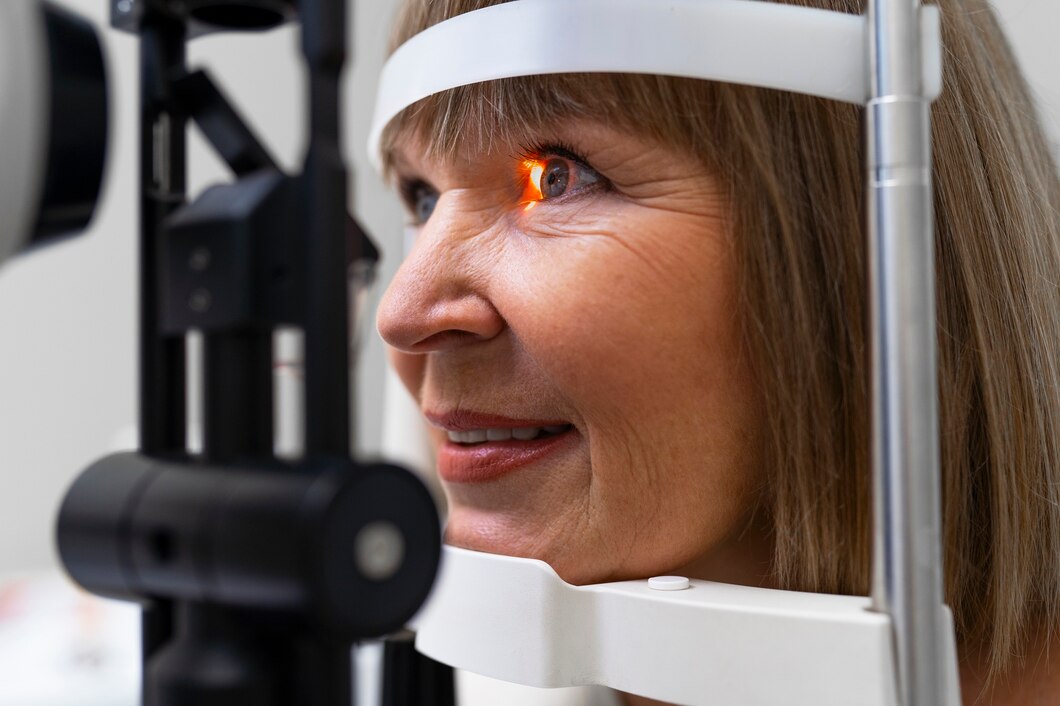
A close-up of a woman's eye

Refractive Lens Exchange vs Cataract Surgery: What’s the Difference?

If you have been researching ways to improve your vision, you may have come across both Refractive Lens Exchange and Cataract Surgery. At first glance, these two procedures can seem almost identical, and in many ways, they are. Both involve removing the eye’s natural lens and replacing it with an artificial intraocular lens to improve vision.

So what makes them different?

The main difference is why the lens is being removed.

In cataract surgery, the natural lens has become cloudy and is interfering with vision. In Refractive Lens Exchange, the natural lens is still clear, but it is no longer providing the quality of vision you want, often because of age-related reading changes, farsightedness, or a desire to reduce dependence on glasses.

driving at night

Can Cataracts Cause Night Glare, Halos, And Trouble Driving?

If headlights seem too bright, streetlights look surrounded by rings, or driving at night feels more stressful than it used to, cataracts may be part of the reason.

Many people think cataracts only cause blurry vision. In reality, they often affect quality of vision even before eyesight seems severely reduced on a chart. One of the most common early complaints is difficulty seeing clearly in low light, especially while driving at night. Glare, halos, poor contrast, and a general loss of sharpness can all make evening driving feel uncomfortable or even unsafe.

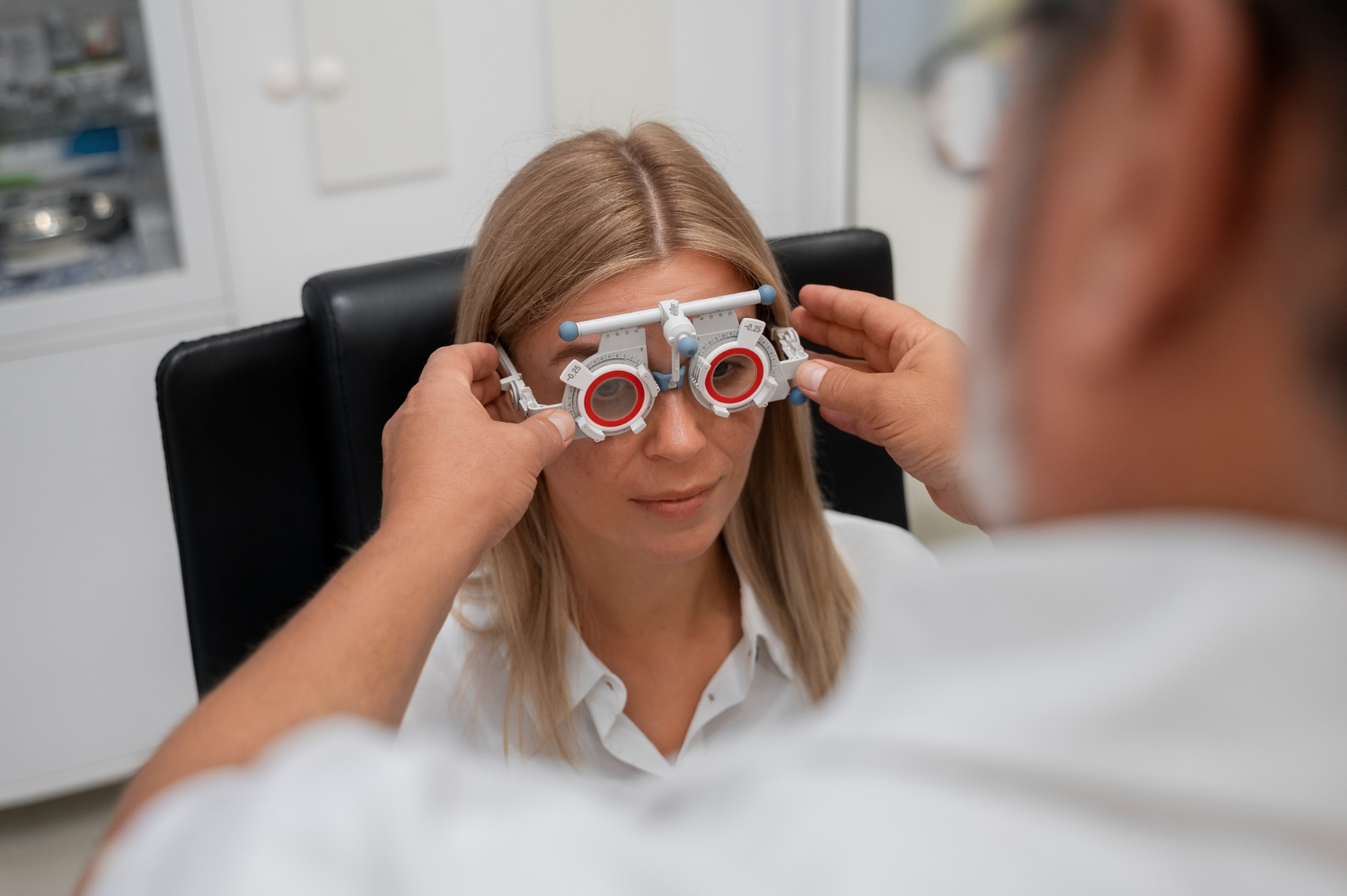
a woman getting eye surgery

Can You Have Cataract Surgery If You’ve Had Previous Vision Correction?

The short answer is yes. In many cases, you can still have cataract surgery if you have had previous vision correction such as LASIK, PRK, or other refractive procedures. The more important question is not whether cataract surgery is possible, but how carefully it is planned. Previous vision correction changes the optics of the eye, which means cataract surgery after LASIK or PRK often requires more advanced measurements, thoughtful lens selection, and a surgeon who understands how earlier procedures can affect the final result. 

If you are noticing blurred vision years after laser vision correction, you are not alone. Many patients who once enjoyed excellent distance vision later develop cataracts simply because the natural lens ages over time. A previous refractive procedure does not disqualify you from cataract surgery. It does mean your surgical plan should be individualized. At Valley Laser Eye Centre, that conversation may involve your history ofLASIK,PRK, or other correction, along with your current symptoms, lifestyle goals, and lens options such as those discussed on theCataract Surgery andRefractive Lens Exchange pages.