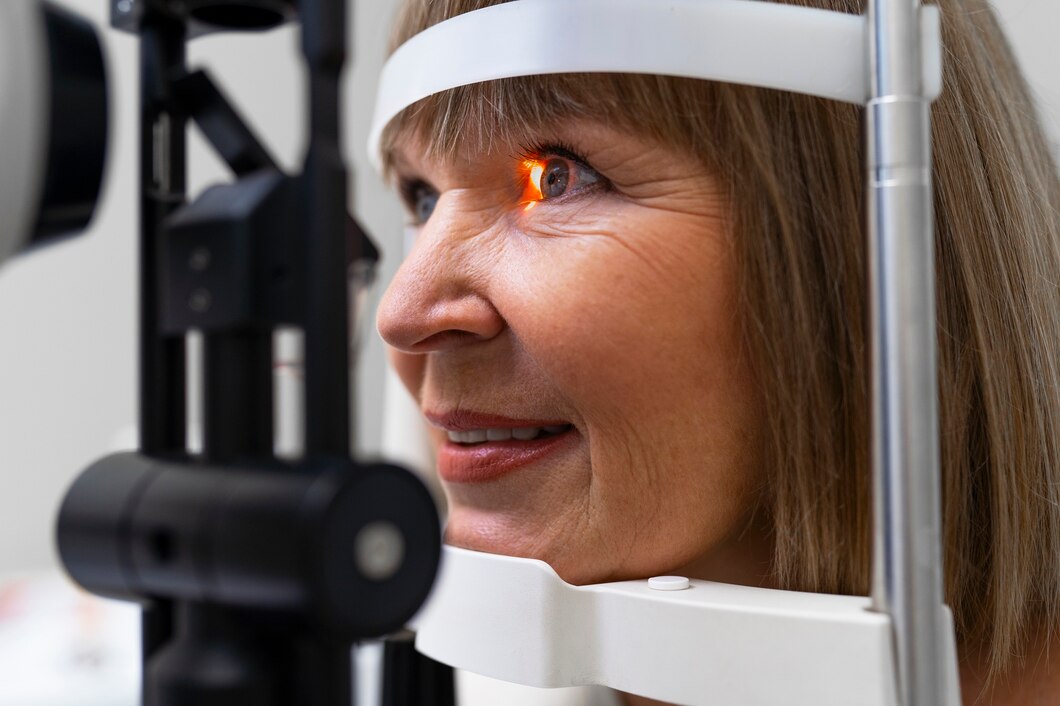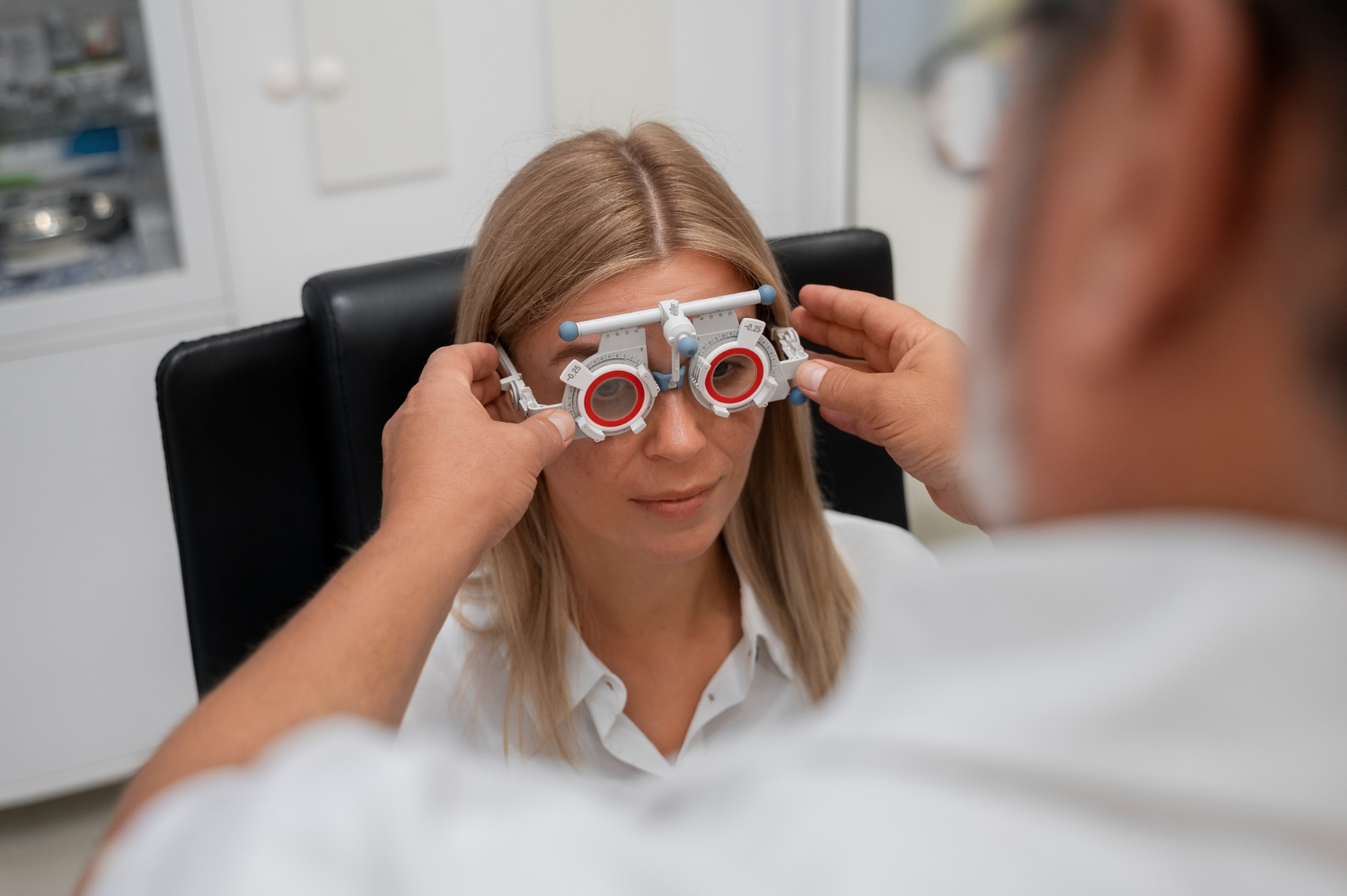
LASIK surgery has become more and more popular over the years. The procedure, which involves a laser creating a flap on one’s cornea and another one applying the prescription on the corneal bed, is ideal for visual issue repair.
Common reasons people get LASIK surgery include but are not limited to:
● Astigmatism treatment
● Hyperopia (farsightedness) treatment
● Myopia (nearsightedness) treatment
Read on to learn more about how to recover best after getting a LASK procedure:
Bring Your Screen Time Down Considerably
Screens are pretty much a given in our everyday lives nowadays. Whether it’s for work, school, or leisure—there’s a screen involved somewhere. After getting LASIK, however, this needs to be lessened quite a bit for days at least. Screens tend to keep the eyes from blinking as often as they can, opening the possibility of drying out entirely. As it is, LASIK can lead to temporary dry eyes. The last thing you should do is exacerbate that by using screens a lot.
Follow the Instructions of Your Eye Doctor
This may go without saying, but it has to be noted anyway. The eye doctor will most certainly have instructions to share about LASIK. It’s the best first step towards recovering quickly and with no added complications.
Make Sure to Get a Lot of Rest
Your eyes will need plenty of rest after undergoing LASIK surgery. Your body can heal itself best whenever it’s in a state of sleep. LASIK is hardly invasive, but the procedure still requires a lot of repair and rest afterwards. Use this opportunity to get that much-needed rest before you can go back to work and other areas of your life.
Use Eye Protection
As soon as you’re good to go home post-procedure, you will be provided with either eye shields or goggles. Rubbing your eyes immediately after LASIK can actually lead to complications as you recover. Because of this, you will need to wear eye protection all the time, even as you sleep, at least for the first few nights. That way, you will be sure that there will be no way you can accidentally touch your eyes even as you sleep.
Avoid Touching Your Eyes No Matter How Tempting It Is
Your eye doctor probably already told you this several times. However, it’s noteworthy nonetheless because it plays a major role in recovery after LASIK. You should not and absolutely cannot touch your eyes during the first week—at the very least—after you undergo the procedure. Since some discomfort after the procedure is expected, the knee-jerk instinct will be to rub them. However, your corneal incision cannot heal if it’s disturbed, so avoid touching your eyes-no matter how strong the urge is to do so.
Conclusion
LASIK is a minimally invasive procedure that’s one of the most preferred ways to address issues with vision nowadays. It’s commonly used to treat issues such as myopia and astigmatism. In order to recover well from LASIK surgery, resist all temptations to touch your eyes, get a lot of rest, and make use of eye protection.
Looking for the best laser eye doctor? Reach out to Valley Laser Eye Centre today! We’ve got state-of-the-art technology in our vision correction center in Abbotsford, BC.
This blog post does not replace medical advice and should not be implemented prior to consulting a fully certified medical professional.