If you’re considering LASIK eye surgery, you might wonder if you can continue wearing your contact lenses before the procedure. It’s important to follow your eye care professional’s specific guidelines, as they will be tailored to your unique situation. In general, however, patients are advised to stop wearing contact lenses for a certain period before LASIK surgery. In this blog post, we will explore the reasons behind this recommendation and discuss additional steps you should take to prepare for LASIK eye surgery.
Why You Need to Stop Wearing Contact Lenses Before LASIK Surgery
1. Accurate Measurement
One of the primary reasons patients are asked to stop wearing contact lenses before LASIK surgery is to ensure accurate measurements are taken during the pre-operative assessment. Contact lenses can alter the shape of your cornea, leading to inaccurate measurements that could impact your surgery’s success. By removing your contact lenses for the recommended period, your cornea can return to its natural shape, allowing for more precise measurements.
2. Reduced Risk of Infection
Contact lens wearers are at a higher risk of developing infections, particularly if they do not follow proper care and hygiene practices. By discontinuing contact lens use before LASIK surgery, you can reduce the risk of introducing bacteria or other contaminants into your eyes during the procedure.
3. Improved Healing
Contact lenses can cause dryness and irritation, potentially slowing the healing process after LASIK surgery. Giving your eyes a break from contact lenses before the procedure can help ensure a smoother recovery.
How to Prepare for LASIK Eye Surgery?
In addition to discontinuing contact lens use, there are several other steps you should take to prepare for LASIK eye surgery:
1. Schedule a Comprehensive Eye Exam
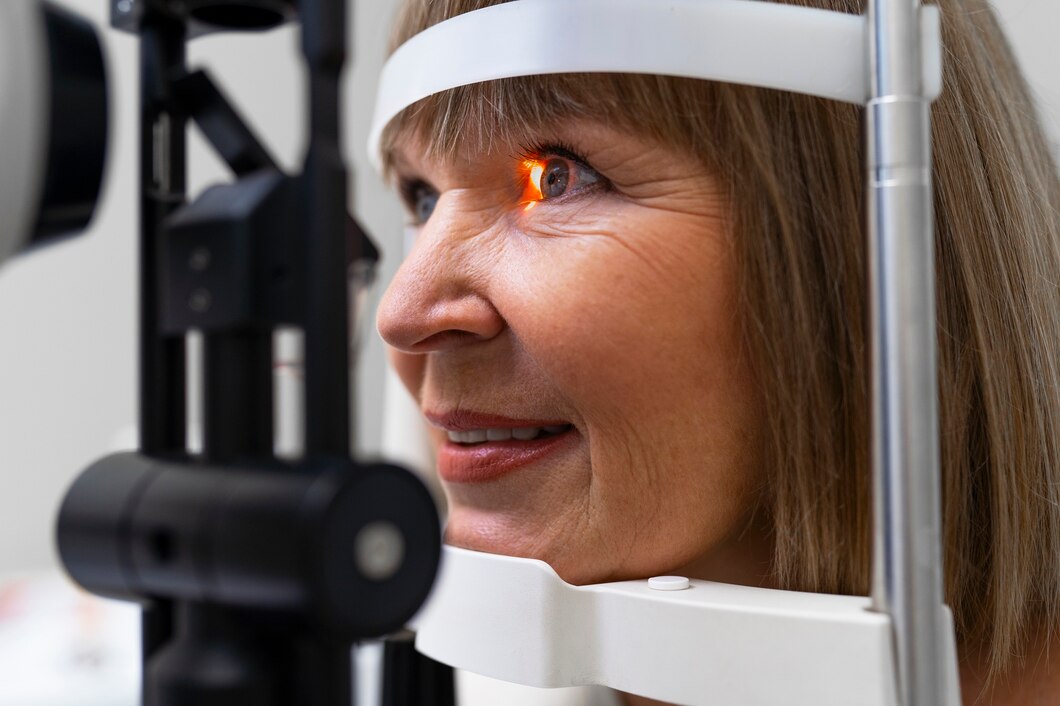
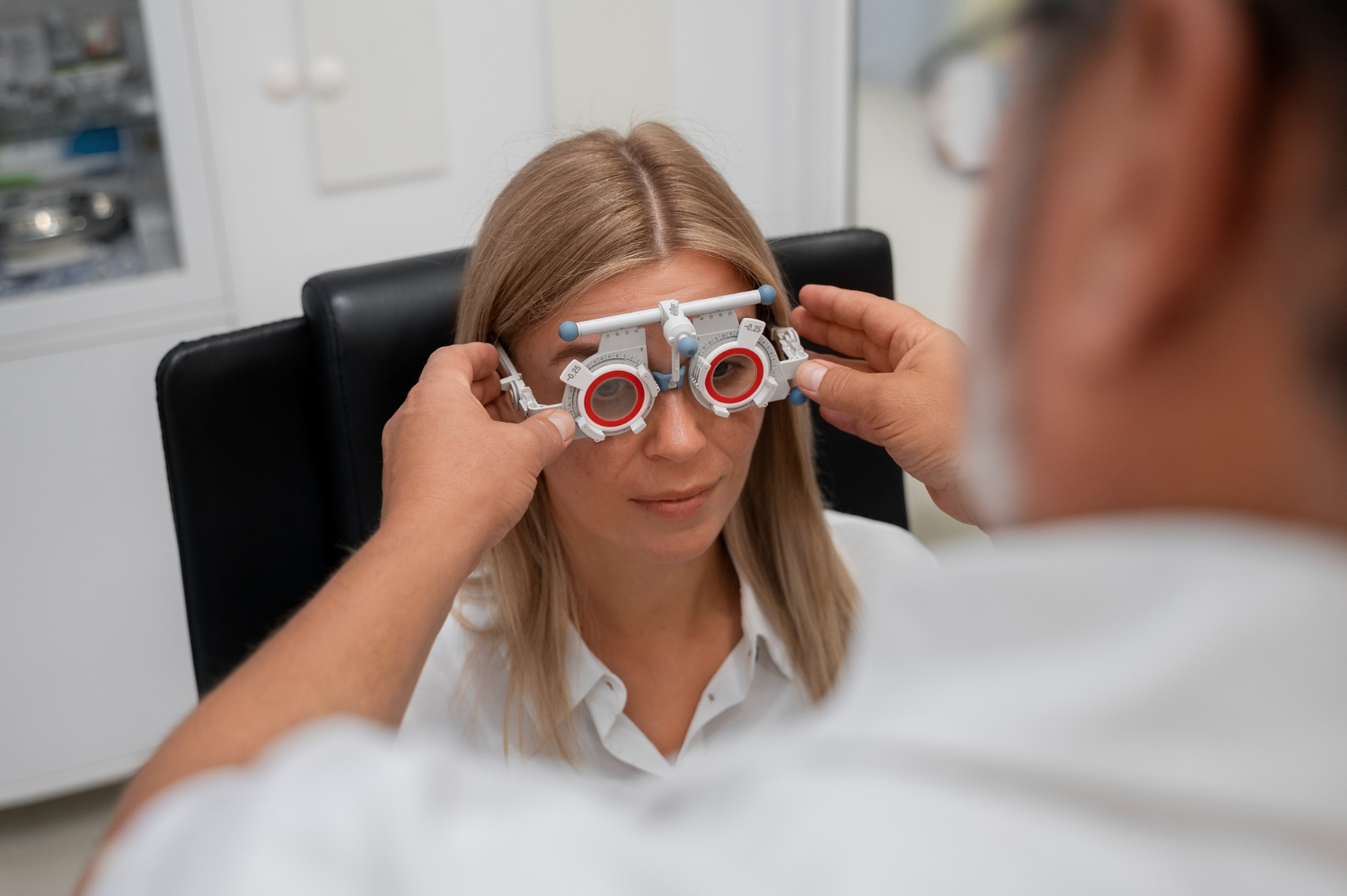
Before undergoing LASIK surgery, you must have a thorough eye examination to determine if you are a good candidate for the procedure. This exam will include a review of your medical history, an assessment of your vision and eye health, and various measurements of your eyes.
2. Discuss Your Expectations
It’s important to understand what to expect after LASIK surgery. Talk with your eye care professional about your goals for the procedure and any potential risks or complications.
3. Follow Pre-operative Instructions
Your eye care professional will provide you with specific instructions to follow leading up to your LASIK surgery. This may include using prescribed eye drops or medications, avoiding certain activities, and arranging transportation to and from your surgery.
4. Prepare for Recovery
While LASIK recovery is typically quick and relatively painless, it’s important to be prepared for the days immediately following your surgery. Make sure you have a comfortable and clean environment to rest in and arrange for someone to help you with tasks such as driving or preparing meals if necessary.
Work With Your Doctor to Ensure the Best Outcome
The key to a successful LASIK surgery is proper preparation and communication with your eye care professional. By following their recommendations, including discontinuing contact lens use and taking other necessary steps, you can help ensure the best possible outcome for your procedure. Remember to ask questions and express any concerns, as your doctor is there to support you through this potentially life-changing process.
Conclusion
Although it might be a hassle to discontinue wearing your contact lenses before LASIK surgery, doing so is crucial to ensure accurate measurements and the success of your procedure. By following your eye doctor’s instructions, attending a comprehensive pre-operative consultation, and taking the necessary steps to prepare for your surgery, you will be well on your way to enjoying the benefits of clear and glasses-free vision.
If you are considering laser eye surgery to correct your vision, look no further than Valley Laser Eye Centre. Our state-of-the-art technology, comfortable setting, and amazing staff make us the best choice for vision correction in Abbotsford, BC. Book a consultation today!