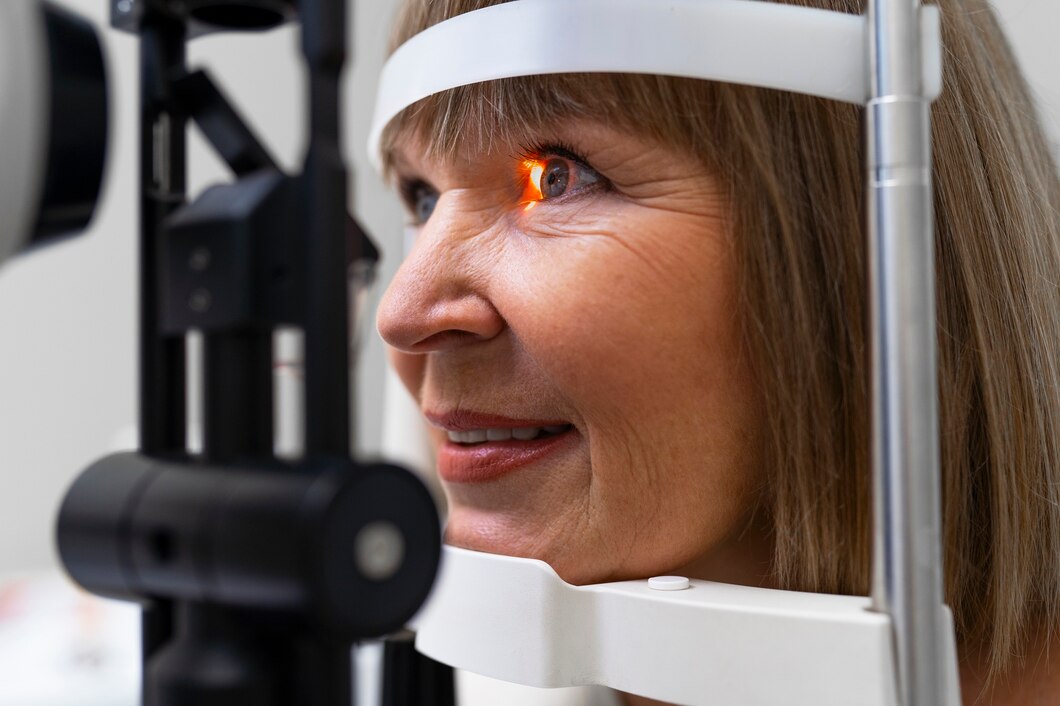
If you develop a cataract — a disease that causes clouding on the eye’s natural lens — that severely hampers your vision and the way you function, your doctor will most likely suggest that you undergo cataract surgery. Contrary to what many people think, however, the operation is only an outpatient procedure that lasts for about ten minutes, so you’ll get to go home on the same day. Recovery time doesn’t need to take place in a hospital as post-op instructions will be provided by the doctor. If you follow them diligently, you’ll be able to recover in no time.

What happens after cataract surgery?
After your doctor performs the surgery, you’ll be lead to a recovery area where you can wear out the anesthesia. Once done, a pair of special eyewear will be provided to wear on the trip home to shield your eyes from bright light and glare. Depending on your case and the instructions from your ophthalmologist, you may be able to remove the protective shield placed on your eye merely hours after the surgery. Remember, however, that you will have to tape it back when you sleep for protective purposes until after the recovery period.
How long does recovery take?
Each person heals differently, so your recovery period may vary. In the beginning, you may experience some cloudiness with your vision after removing the eye shield, but know that this is normal because it usually takes your eyes time to adjust to the removal of the cataract. You may also notice damaged blood vessels, which will dissipate gradually as your eye heals.
If injections were involved during the procedure, you might expect to see some bruising. Again, this is normal and should go away within a few days. The only time you should contact your doctor is when you don’t see any improvement in your vision or when you feel intense discomfort.
Most patients report a full recovery within a month after their eyes have completely healed. This may also be the case for you. Yet again, it all depends on how your body is equipped to handle healing.
Dos and don’ts during cataract surgery recovery
Most people can resume with their usual routine about a day post-surgery, but some instructions need to be followed:
- Do follow all your doctor’s instructions regarding anti-inflammatory eye drops or antibiotics to facilitate proper healing.
- Don’t drive on the first day following the surgery and ask someone else to drive you instead. Consult your doctor regarding when it’s safe to resume driving.
- Don’t engage in any strenuous activity like exercise and heavy lifting for a few weeks after the surgery.
- Don’t swim or using the hot tub during the first week of post-surgery.
- Don’t go to dusty areas as your eyes will be sensitive to dust, dirt, and pollen.
- Don’t rub your eye area to avoid incurring infection.
- Don’t wear eye makeup unless your doctor permits you to do so.
It’s always best to follow your doctor’s orders to avoid experiencing any complications after your surgery, so don’t do anything to deviate from them.
If you want to know more about cataract surgery, get in touch with our eye centre in Abbotsford.
Disclaimer: This blog post does not replace medical advice and should not be implemented prior to consulting a fully certified medical professional.