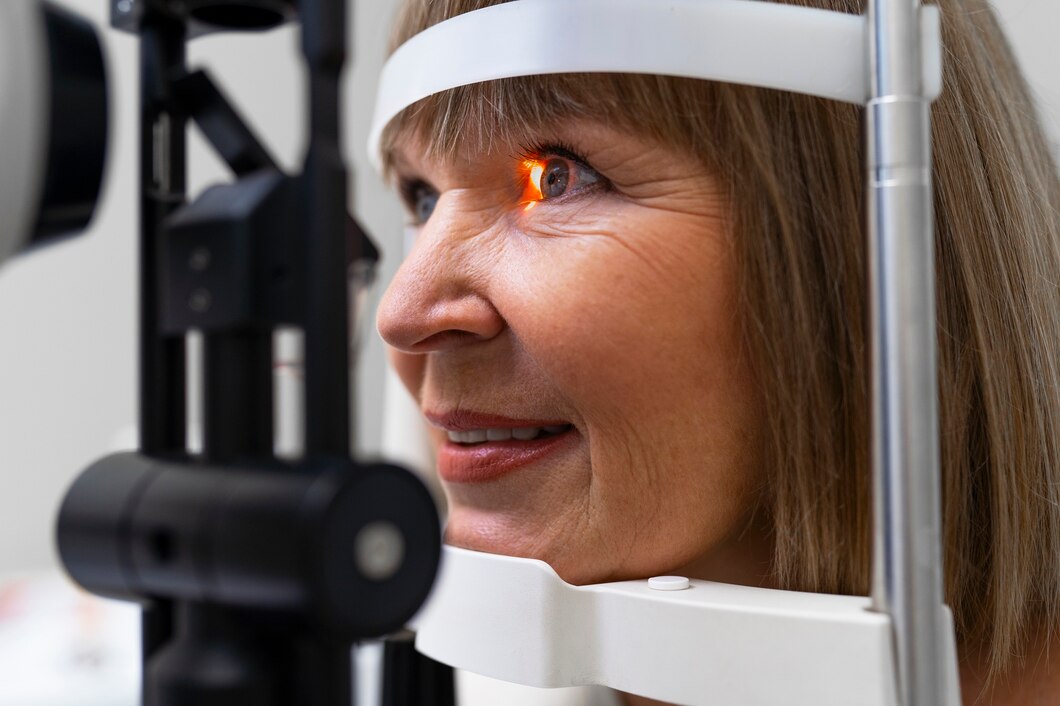
Not everyone has perfect vision. Thankfully, people with vision problems will be able to see well enough without wearing glasses or contact lenses by getting laser eye surgery. As a result, it will be easier for them to perform daily tasks, like playing sports, driving, and reading.
Ideal candidates for LASIK surgery are adults with generally healthy eyes. If you want to get this surgery, be informed about its benefits and potential risks before undergoing the procedure. It’s also important to know the treatment and recovery process in full, including wearing sunglasses as part of post-procedure care.
What Happens After LASIK Surgery?
After corrective eye surgery, patients need to get complete rest to prevent them from pressing down or rubbing the healing tissue. They will also experience side effects, such as blurry vision. These are completely normal and will eventually go away on their own. After the first 24 hours of surgery, most patients notice dramatically improved eyesight.
Do Patients Need to Wear Sunglasses?
Sensitivity to light is another common side effect of LASIK surgery. To ensure a speedy recovery, patients have to shield their eyes from harmful UV rays and bright lights to prevent irritation. Going outside without protective eyewear could cause a cloudy vision called a corneal haze. This is why wearing dark glasses is important.
No matter the location and weather, wearing sunglasses is necessary after eye surgery. It may feel a little silly, but it’s helpful to wear this protective eyewear even when it’s cloudy, or the patient is indoors to protect the eyes from pain and discomfort caused by light and particles in the air. When picking out a pair of sunglasses, here are some characteristics to look out for:
Polarized Lenses
Seeing glare is common while recovering from eye surgery. By wearing a pair of polarized sunglasses, recovering can get easier since glare is reduced.
Optimal Protection
When shopping for protective sunglasses, go for a pair that provides a hundred percent protection from UVA and UVB rays. Check for a sticker on the side of the frame that says it gives such protection.
Comfortable
Sunglasses must be worn for long periods after the surgery. For this reason, they have to be comfortable. The pair must fit perfectly. It should also come in a style that you will want to wear.
How Long Do Patients Have to Wear Sunglasses after LASIK?
After surgery, the eyes will become especially sensitive for the first week. This is a crucial period that requires the continuous wearing of sunglasses. This eyewear can provide protection from the sun’s harmful rays and keep dust, debris, and other harmful particles out of the eyes throughout recovery.
Conclusion
Wearing contact or corrective lenses can be a nuisance, especially when performing certain tasks. For this reason, many people who have vision issues choose to undergo eye surgery to improve their vision.
While LASIK surgery offers fast recovery times as it requires no stitches or invasive incisions, following proper guidelines is necessary. This includes wearing the right sunglasses to achieve complete healing from the procedure. To get good vision through this surgery, book an appointment at an eye centre near you.
Valley Laser Eye Centre is a laser eye clinic that offers LASIK surgery, cataract surgery, and other eye surgeries using state-of-the-art technology. Book a consultation today!
This blog post does not replace medical advice and should not be implemented prior to consulting a fully certified medical professional.