As we grow older, many aspects of our lives might also change. For instance, you may experience more backaches or find it a little more troublesome to hear properly—one of the most significant changes that, however, might be in your ability to see.
As you get older, your vision will also get weaker, leading to an inability to focus on close objects properly and other problems. You may realize this when you are reading something. The words might seem to blur, and you may experience headaches trying to focus on close objects. This condition is known as presbyopia.
This article will delve deeper into presbyopia—its symptoms and what you can do to address the condition. Before we get started, however, we must disclaim that this blog post cannot replace medical advice and should not be implemented before consulting a fully certified medical professional.
The symptoms of presbyopia
Many different symptoms point towards presbyopia, but different individuals may experience different sets of symptoms. However, there are some that are commonly encountered. One of the most common symptoms is the inability to focus on close-range objects—no matter how hard you may try.
Apart from the aforementioned symptom, there are a few others. This includes eye aches or even headaches when looking at close objects, increasing brightness to see objects, eye strain and tiredness when reading for prolonged periods, and holding objects at a further distance to see clearly.
Keep in mind that all of the above symptoms may be caused by a myriad of other things. For instance, if you are experiencing eye pain, there is a chance that it might be caused by glare. That said, many of these symptoms occur when you are around or above the age of 40, so if you are close to, already at, or older than 40, it is likely that you are dealing with presbyopia.
How to address presbyopia
There are many ways to overcome presbyopia. One of the most common is to purchase reading glasses to help wearers focus on near objects. However, carrying glasses may not always be ideal. For that reason, many people rely on eye surgery to address the issue directly. The surgery includes using lasers to correct the cornea, and such procedures come in various forms, such as LASIK, PRK, and other types of eye surgery. Which type of laser surgery you get will depend on your condition.
Conclusion
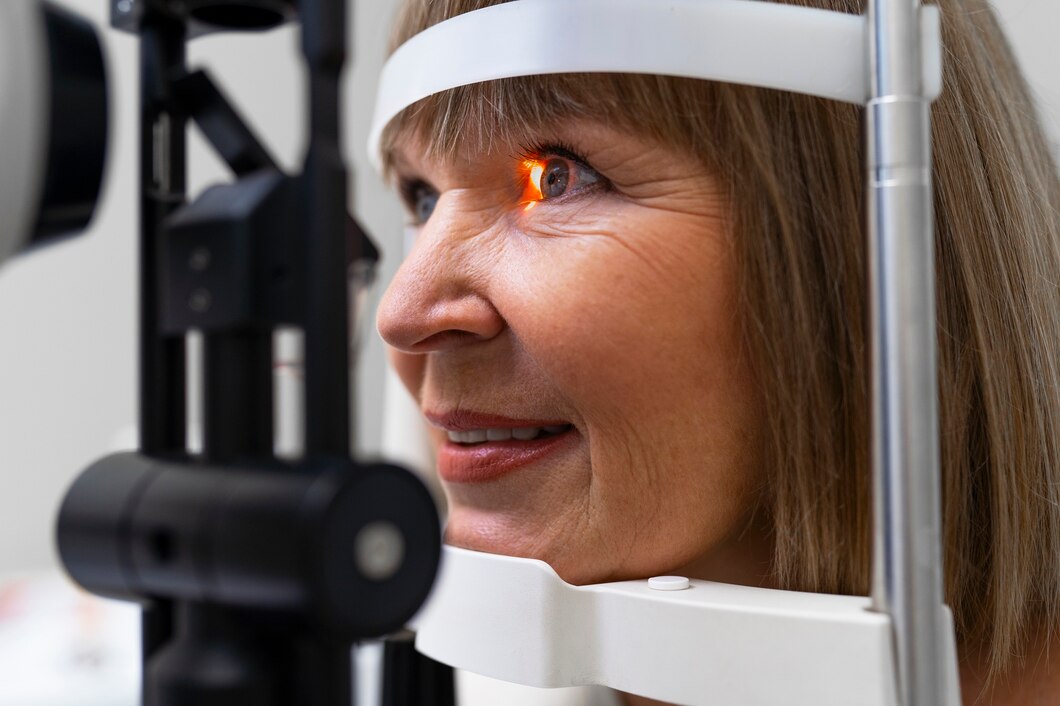
Notice any of the symptoms revolving around presbyopia? If so, we highly recommend visiting an eye clinic to have your eyes checked. Even if it is not presbyopia causing the symptoms, professionals can help identify the root of the issue and recommend a course of action to improve your vision.
That said, if they do recommend eye surgery, do not fret. It may be a scary thought, but the procedure is remarkably safe in the hands of a professional. Once you are through with it, you will thank yourself for treating your eyes and, overall, yourself to an enjoyable life supported by perfect vision!
Valley Laser Eye Centre is a vision correction center located in Abbotsford, utilizing the latest technology, a welcoming environment, and professional staff to deliver the best vision clinic experience possible. If you are looking for the best laser eye clinic to improve your vision, schedule a visit with us today!