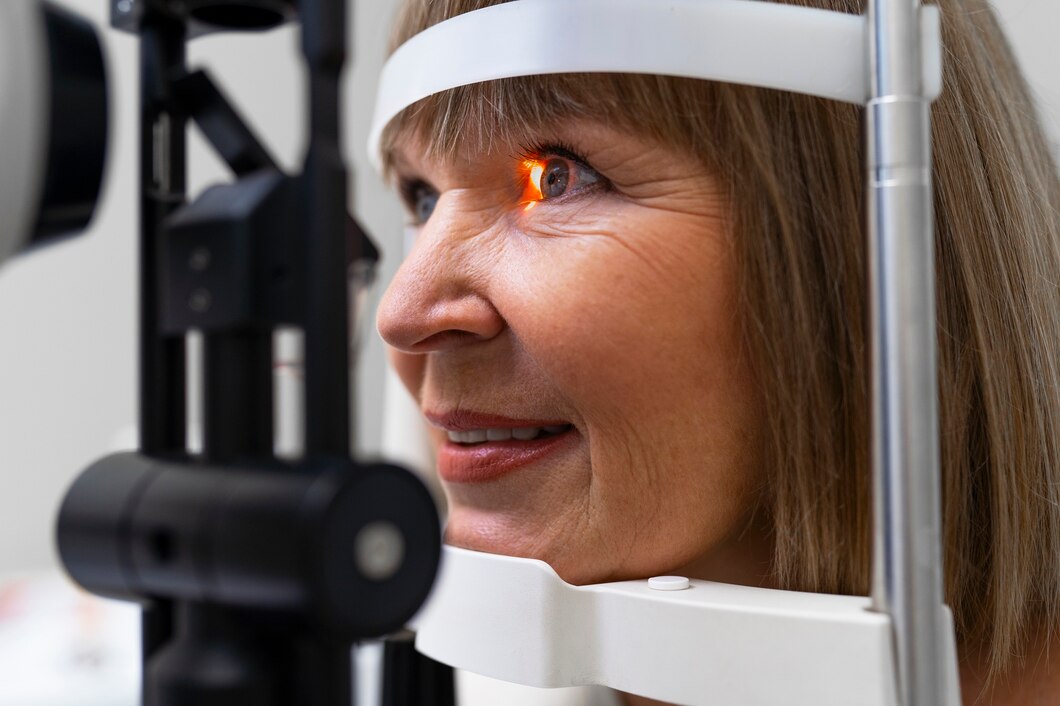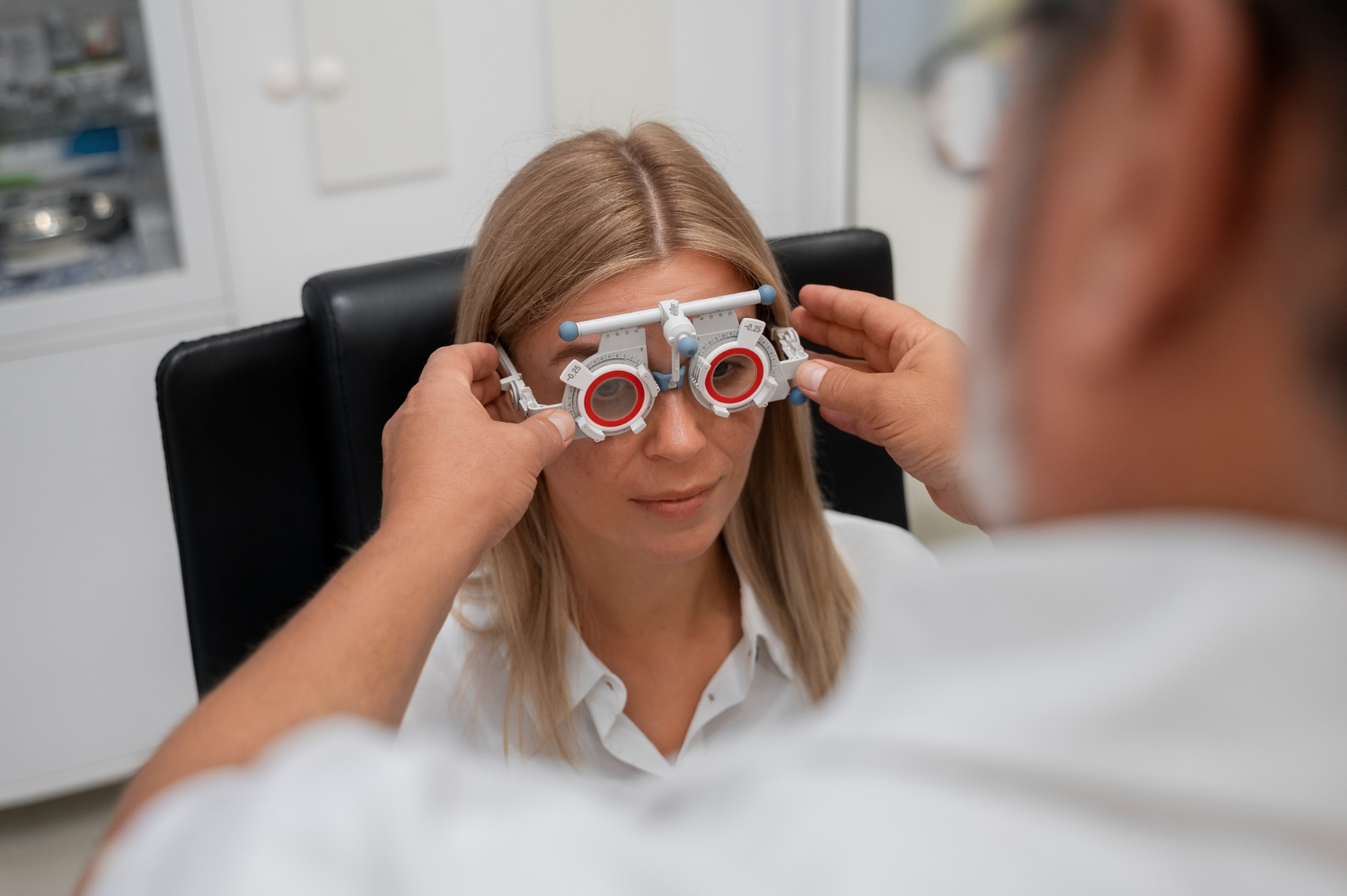
The human eye is an amazing organ that allows us to see the world around us. The eye is made up of many different parts, each of which has a specific function. The lens is one of the most important parts of the eye, as it is responsible for focusing light onto the retina and protecting the eyes against harmful UV rays and other elements.
The lens is a clear, curved structure that is located behind the iris (the colored part of the eye) and the pupil (the black center of the iris). The lens is held in place by the suspensory ligaments, which are attached to the ciliary body (a ring of muscle that helps the eye focus).
The ciliary body also contains the ciliary muscles, which control the shape of the lens. The shape of the lens is important, as it determines how light is focused onto the retina.
What Are the Main Functions of the Lens
The lens works by bending (refracting) light as it passes through it. This is because the lens is curved. The amount of bending (refraction) depends on the shape of the lens. If the lens is curved more, then the light is bent more and vice versa.
The lens is responsible for two main functions:
1. Focusing Light onto the Retina:
The lens bends (refracts) light as it passes through it. This is because the lens is curved. The amount of bending (refraction) depends on the shape of the lens. If the lens is curved more, then the light is bent more.
The lens focuses light onto the retina, which is the light-sensitive layer at the back of the eye. The retina converts the light into electrical impulses, which are then sent to the brain via the optic nerve.
2. Adjusting the Eye’s Focus:
The lens is able to change its shape, which alters the amount of bending (refraction) that takes place. This process is known as accommodation.
The ciliary muscles control the shape of the lens. When these muscles contract, the lens becomes more curved. This increases the amount of bending (refraction) that takes place, which makes the image on the retina clearer.
Conversely, when the ciliary muscles relax, the lens becomes less curved. This decreases the amount of bending (refraction) that takes place, which makes the image on the retina less clear.
What Are the Common Eye Problems and Diseases
The most common eye problems and diseases include:
Cataract
Cataracts are a leading cause of blindness. They occur when the lens becomes cloudy or opaque. It can make it difficult to see clearly and cause glare and halos around lights. If left untreated, cataracts can eventually lead to blindness.
There are several treatment options for cataracts, including surgery to remove the cloudy lens and replace it with a clear artificial lens. With early diagnosis and treatment, such as surgery, cataracts can be effectively managed, and vision loss can be minimized.
Macular Degeneration
Macular degeneration is a condition that affects the macula, which is the part of the eye responsible for central vision. It usually occurs slowly and can cause vision loss in one or both eyes. Symptoms may include difficulty reading or seeing fine details.
There is no cure for macular degeneration, but there are treatments that can help slow down its progression. These include lifestyle changes, such as eating a healthy diet and quitting smoking, and medical treatments, such as injections or laser surgery.
Glaucoma
Glaucoma is a condition that affects the optic nerve, which is responsible for transmitting visual information from the eye to the brain. It usually occurs gradually and can lead to vision loss and blindness.
There is no cure for glaucoma, but early diagnosis and treatment can help to slow the progression of the disease and preserve vision. Treatment options include eye drops, laser surgery, and conventional surgery.
Conclusion
The lenses of the human eye are important for two main reasons: they help to focus light on the retina, and they protect the eye from harmful UV rays and other elements that may cause problems to the eye. With all these in mind, it is important to take care of our lenses to maintain clear vision and protect our eyes from damage.
Valley Laser Eye Centre provides Lasik surgery which is a safe and effective way to improve your vision. We are a team of experienced and qualified surgeons who can help you achieve a clear vision. We offer the latest technology in Lasik surgery, and our experienced surgeons are dedicated to providing the best possible care for our patients. Let us help achieve a clear vision and improve your quality of life. Schedule an appointment with us today!