People with eye problems can develop various concerns that often require them to wear eyeglasses or undergo a specific laser eye surgery if they wish to achieve a clear vision. If you’re experiencing astigmatism, your situation is known for either remaining the same or changing slowly with each appointment you make with your eye doctor.
However, similar to other eye issues, your vision could become blurrier in the long run. When your astigmatism worsens, you can usually base the reason on your lifestyle habits and your eyes’ current condition.
Depending on your situation, your astigmatism symptoms could become worse, especially if you’re facing refractive cases or other eye issues. Keep reading below to learn more about astigmatism to give you a better idea of handling it.
Detecting the Symptoms of Astigmatism
The most common sign that you have astigmatism is blurred vision. However, it can be mild that some don’t even notice something’s wrong with their eyes until it’s gotten worse. Headache and eye fatigue are other symptoms of astigmatism, although some people mistake them for something else, such as too much use of their electronic devices.
Since you must always prioritize your good health, including your five senses, you should pay greater attention to your vision, especially if you want it to remain 20/20. But when your day-to-day tasks involve sitting in front of a computer or TV screen every day, using your smartphone, or reading a book for a long time, those activities could impact your clear vision.
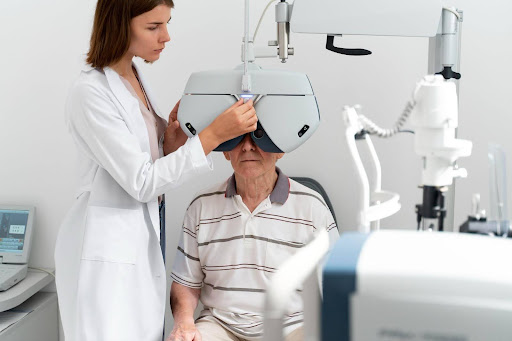
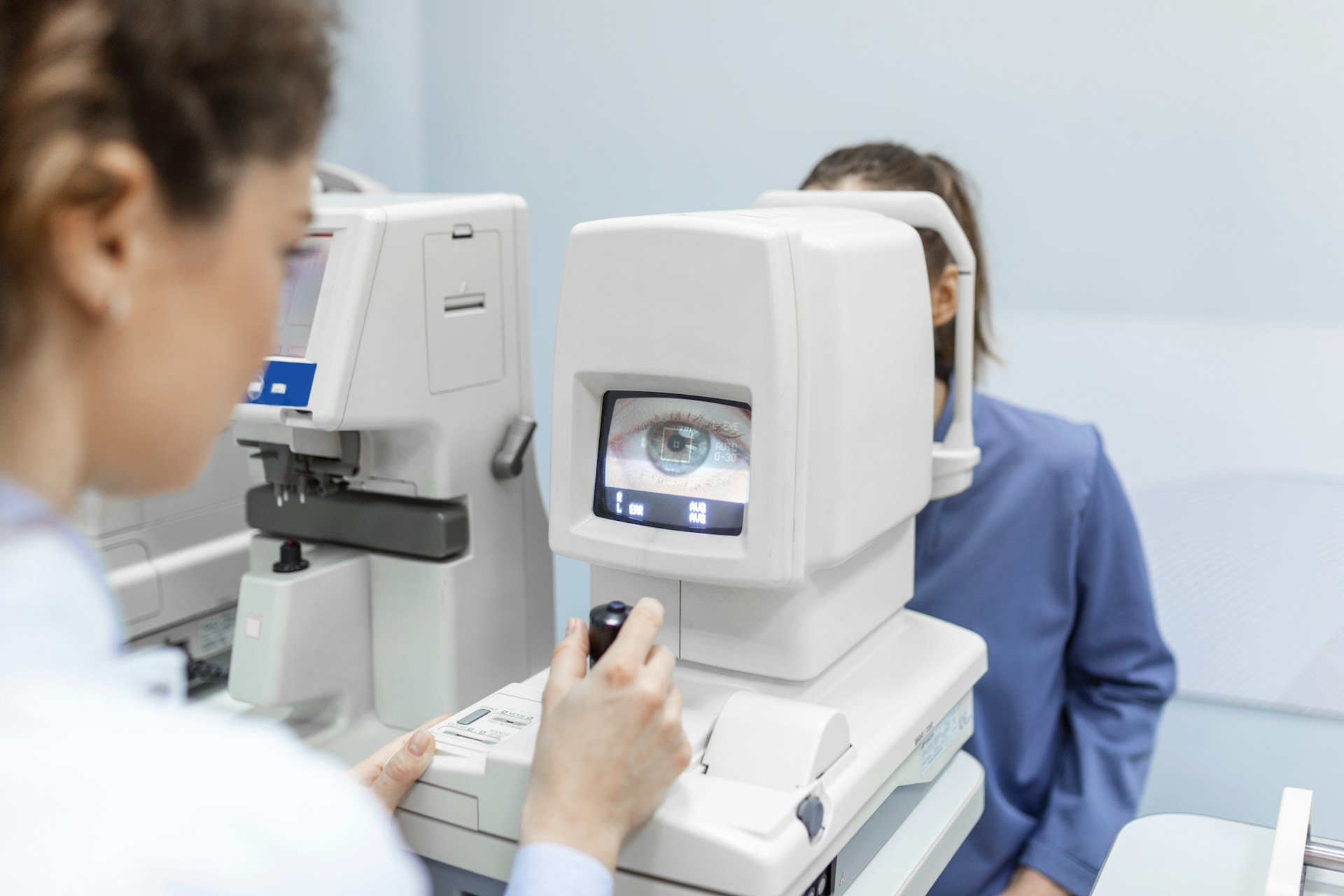
If you want to make sure your eyesight remains intact, you should visit an ophthalmologist regularly to get a checkup. For those who have already been diagnosed with astigmatism, if you want to improve your situation, it will help to undergo a comprehensive eye exam with your doctor. Going to the clinic each year can correct any underlying vision problems and health concerns.
Visiting an Ophthalmologist Regularly
Seeing your doctor regularly could help address any concerns regarding astigmatism and other eye conditions you may have without your knowledge. An optometrist will possibly prescribe you medication and other treatment options to reduce your astigmatism symptoms.
When you dedicate your time to visiting your doctor often, they can keep a watchful eye on your astigmatism and learn if there are signs of progression to help make your vision clearer. If you require advanced treatment, your eye doctor will let you know if you need laser eye surgery.
If you’re lucky enough to detect your astigmatism while it’s still early, that doesn’t mean you should be complacent about your situation. Although it’s a minor eye problem, it could worsen over time and lead to more severe symptoms, proving how serious having astigmatism is.
Determining the Causes of Astigmatism
Many instances can cause your astigmatism to worsen. When you drop by an eye centre, your doctor will assess the amount of time you’ve had your condition. They will also check for other eye concerns like refractive errors, presbyopia, nearsightedness, and farsightedness.
Unfortunately, your astigmatism can get worse in the long run without a definite reason. Meanwhile, you can also feel your situation worsening when the cause could be an entirely different reason that doesn’t involve your astigmatism at all.
People facing severe astigmatism may require wearing corrective eyewear, including contact lenses, or undergoing treatment to eliminate your eye problem for good. The best thing you can do when something’s wrong with your eyesight is to visit a laser eye clinic for help.
Conclusion
Now that you have a better idea of astigmatism, you must never forget to take your health symptoms seriously, especially if it concerns your eyes and vision. Whenever you or your loved ones get a headache or feel fatigue in your eyes, if it happens more than usual, you should think of the possible reasons, including eye problems. When you have astigmatism or other eye issues, and you want the fastest way to treat them, you should reach out to the best laser eye doctor for assistance.
Are you looking for the best laser eye clinic in Abbotsford, BC for your vision problems? Valley Laser Eye Centre is a vision correction center known for using cutting-edge technology, offering a comfortable setting, and providing outstanding services. Our solutions include ICL, LASIK, PRK, cataract surgery, RLE, vision correction, and more. Get in touch with us today to book a consultation!
This blog post does not replace medical advice and should not be implemented prior to consulting a fully certified medical professional.