Cataracts are a common eye condition that affects millions of people worldwide. Characterized by the clouding of the eye’s natural lens, cataracts can lead to blurry, distorted vision and difficulty performing everyday tasks, such as reading or driving at night. As they typically develop slowly over time, many people only recognize the presence of cataracts once they have significantly impacted their vision.
At Valley Laser Eye Centre our mission is to provide high-quality eye care through education, advanced diagnostic tools, and state-of-the-art treatment options. Our team of skilled eye care professionals takes pride in guiding our patients through understanding cataracts, from recognizing their symptoms to discovering the most effective and advanced treatment options.
In this comprehensive blog post, we will discuss the causes and symptoms of cataracts, explore the importance of early diagnosis, and provide an in-depth review of the innovative treatment options offered at Valley Laser. Let’s get started.
Disclaimer: This blog post does not replace medical advice and should not be implemented before consulting a fully certified medical professional.
Understanding the Causes and Types of Cataracts
Cataracts develop as the proteins within the eye’s natural lens clump together, causing the lens to become cloudy and impairing vision. While aging is the primary cause of cataracts, other factors can contribute to their development, such as:
- Family history and genetics
- Prolonged exposure to sunlight and UV radiation
- Diabetes or other medical conditions
- Previous eye surgeries or injuries
- The use of certain medications, such as corticosteroids
There are three main types of cataracts, classified by their location within the lens:
- Nuclear Cataracts: These cataracts are located in the center (nucleus) of the lens and typically result from the natural aging process.
- Cortical Cataracts: Cortical cataracts form in the lens cortex, the outer layer of the lens. They often start as wedge-shaped opacities that progress towards the center, impairing light passage.
- Posterior Subcapsular Cataracts: These cataracts develop at the back of the lens and can progress more rapidly than other types. They often interfere with reading, creating halo effects or glare in bright light.
Recognizing the Symptoms of Cataracts
Symptoms associated with cataracts typically develop gradually and can include:
- Clouded or blurry vision
- Difficulty seeing at night or in low-light conditions
- Sensitivity to light and glare
- The appearance of halos around lights
- Fading of colours or yellowing of vision
- Double vision in a single eye
- Frequent changes in eyeglass or contact lens prescriptions
Early recognition of these symptoms can help individuals seek timely diagnosis and treatment from an eye care professional.
Early Diagnosis and Comprehensive Eye Examinations at Valley Laser Eye Centre
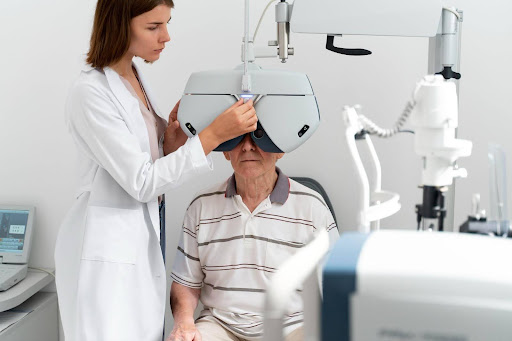
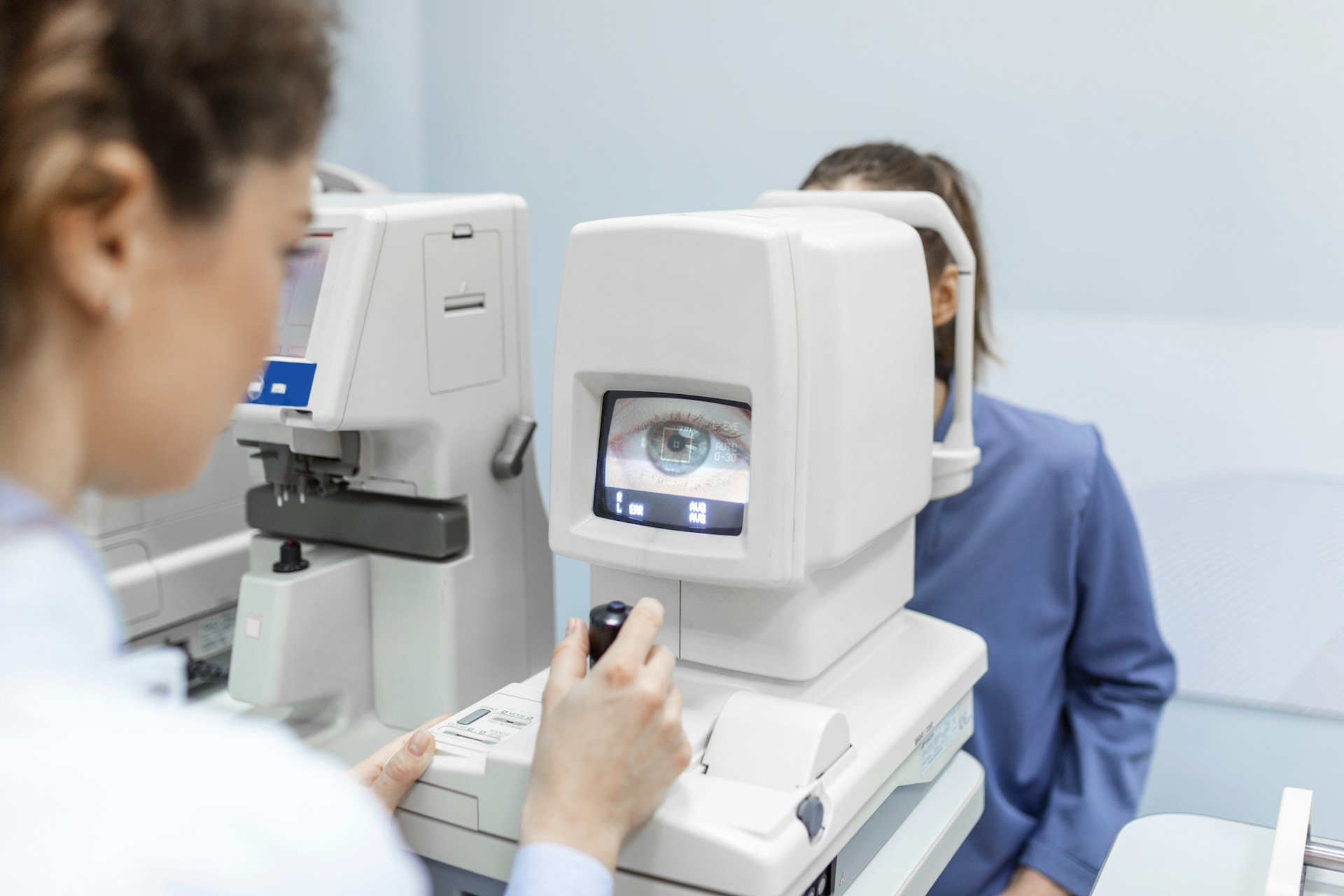
To diagnose cataracts, a comprehensive eye examination is necessary. At Valley Laser, our thorough evaluations include:
- Visual Acuity Test: This test uses a standardized eye chart to measure the sharpness of an individual’s vision at various distances.
- Slit Lamp Examination: This procedure enables eye care professionals to examine the lens and other internal eye structures at high magnification using a specialized microscope.
- Retinal Examination: After dilating the pupil with eye drops, the retina and optic nerve are examined to assess their health and identify other underlying eye conditions.
Early diagnosis of cataracts allows for prompt management and appropriate intervention, ensuring optimal vision and eye health over time.
Advanced Treatment Options for Cataracts at Valley Laser Eye Centre
Treatment may be necessary when cataracts interfere with daily activities and impact the quality of life. Several advanced treatment options are available at Valley Laser, including:
- Prescription Eyewear: To provide improved vision, early-stage cataracts may be managed with prescription eyewear, such as glasses or contact lenses.
- Lens Replacement Surgery: Cataract surgery involves the removal of the clouded natural lens and its replacement with an artificial intraocular lens (IOL). Different types of IOLs are available, such as monofocal, multifocal, or toric lenses, designed to provide clear vision and correct various refractive errors.
- Laser-Assisted Cataract Surgery: This advanced procedure utilizes femtosecond laser technology to create precise incisions, soften the cataract, and aid in its gentle removal. This technique offers increased accuracy and faster recovery compared to traditional cataract surgery methods.
At Valley Laser, our skilled eye care professionals are dedicated to guiding you through the process of selecting the most suitable treatment option for your unique needs and lifestyle, ensuring positive outcomes and enhanced vision.
Conclusion
Understanding the causes, symptoms, and types of cataracts is essential in identifying the presence of this common eye condition and seeking appropriate treatment. At Valley Laser Eye Centre in Abbotsford, BC, we prioritize patient education, personalized care, and implementing advanced diagnostic and treatment options to manage cataracts effectively.
Schedule a consultation with our experienced ophthalmologists in Abbotsford to discuss your concerns and explore the most appropriate treatment options for your cataracts. Trust Valley Laser Eye Centre to support you on your journey towards clearer vision and improved eye health.