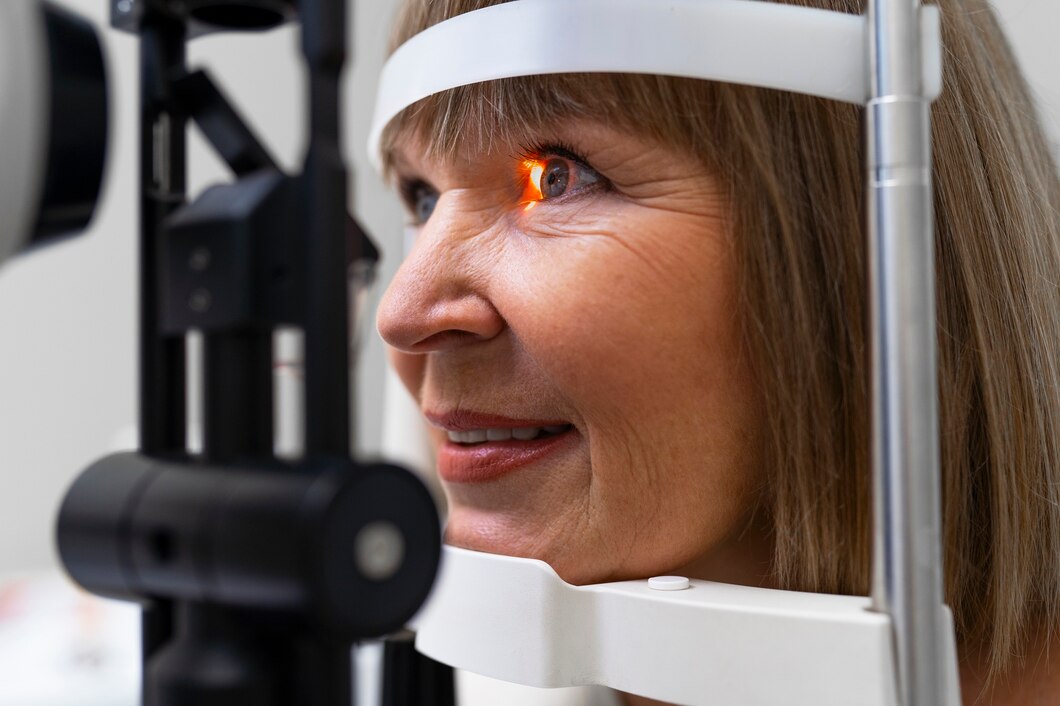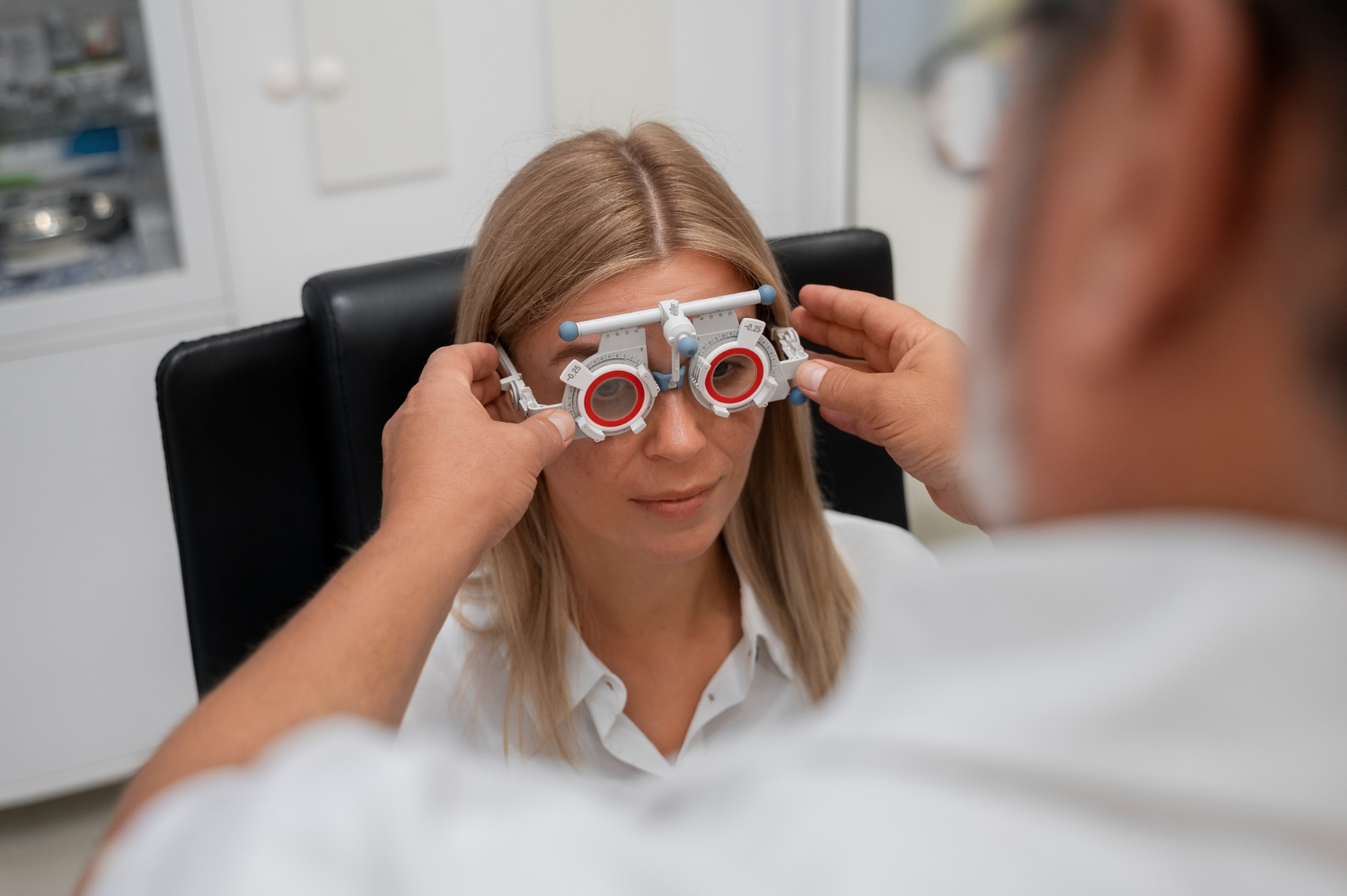
Photoreactive keratectomy (PRK) is a form of laser eye surgery that improves one’s vision by repairing a person’s refractive errors. This includes optical conditions such as nearsightedness, farsightedness, and astigmatism. Depending on your condition, you may need to get PRK surgery for one or both eyes. Since having surgery to correct your eyes is a delicate procedure, you need to prepare yourself for specific expectations.
Before a PRK Laser Eye Surgery
Your ophthalmologist will first handle your preoperative appointment to check your eyes and vision’s condition. From there, they will mark refractive errors on each pupil by measuring and mapping your eyes’ corneal shape. Using this information, the laser used for your procedure will be programmed with these variables for precise treatment.
Besides mapping your eyes, your doctor also needs to know any over-the-counter medication you may be under. Additionally, they may prescribe you to discontinue wearing contact lenses or take antibiotic eye drops before your surgery. For this reason, you may want to avoid leaving the house or opt for glasses for the time being.
Three days before your scheduled surgery, you’ll need to cleanse your eyes daily to empty the oil glands near your lash line. Afterward, remember to place a hot compress on your eyes for five minutes. Then, gently run a finger on your upper eyelid near your nose to your ear. Do this three times or so. Finally, wash your eyelids and eyelashes with nonirritating soap. Remember to do this process twice a day until your surgery date.
During a PRK Laser Eye Surgery
The procedure itself will just take around five to ten minutes and doesn’t require general anesthesia. However, you will receive local anesthesia or anesthetic through eye drops in each eye. Thankfully, the procedure won’t put you in any significant pain, but your eyes may feel irritated or watery after the procedure.
Your doctor will place an eyelid holder to prevent them from blinking. Afterward, the corneal surface cells of your eyes will be removed, either through blade, alcohol solution, laser or brush. Next, the laser programmed in your previous session will reshape your cornea using a pulsating beam of UV light. Finally, you’ll receive clear non-prescription lenses on each eye to act as a bandage and prevent infection while they heal.
After a PRK Laser Eye Surgery
Your eyes will be sensitive to light for several weeks while they heal, which is why you should head straight home or opt for a holiday at work if possible. Remember to keep your eyes closed for the day to minimize your discomfort.
After your surgery, you may need to visit your doctor the day after to check the results. Since you’re not supposed to experience much discomfort after the treatment, contact your doctor if you experience redness, swelling, or pus on your eyes. These are symptomatic of eye infection, which can occur if your eyes are irritated or the bandage contact lens has fallen out.
Conclusion
Any medical procedure involving your eyes needs to be performed in a delicate and professional manner. This is why you should only put your trust in reliable experts with years of industry experience.
At Valley Laser Eye Centre, our trained ophthalmologists can guide you on the best way to improve and heal your eyesight. After our treatment, you’ll experience a significant improvement in your quality of life through our professional services. If you need to receive PRK laser eye surgery, book an appointment with our clinic today.