If you’re like most people, you probably don’t think twice about the prescription in your glasses. After all, what difference does it make as long as you can see, right? Wrong.
Wearing the wrong prescription can actually have some pretty serious consequences. Continue reading to learn more about these effects.
1. Nausea
Nausea is a common side effect of wearing the wrong prescription glasses. This is because your eyes work harder than they should try to focus on objects. This can lead to eye strain and headaches.
2. Fatigue
If you wear the wrong prescription glasses, you may experience fatigue. This is because your eyes are working harder than they need to in order to see clearly. As a result, they can become tired and strained, leading to fatigue.
3. Blurred Vision
If you wear the wrong prescription glasses, your vision will be blurred. This is because the eyeglasses lens cannot focus the light that enters your eye correctly. The result is a fuzzy or unclear image that hinders your vision.
4. Headaches
If you’ve ever worn the wrong prescription glasses, you know how frustrating it can be. Not only do you have to deal with the hassle of constantly taking them on and off, but you also have to deal with the constant headaches that come along with it.
There are a few reasons why wearing the wrong prescription glasses can cause headaches. First, if your glasses are too strong, they can cause eyestrain, leading to headaches. Second, if your glasses are too weak, they can cause you to squint, leading to headaches.
5. Vertigo
Vertigo is the sensation of spinning or rocking, even when someone is at rest. It is caused by a problem with the inner ear or brain. Vertigo is not a disease but a symptom of some other problem.
If you wear the wrong prescription glasses, you may experience vertigo. This is because the wrong prescription can cause your eyes to focus on objects that are closer or farther away than they are. This can throw off your balance and cause you to feel dizzy or lightheaded.
How Can You Avoid Wearing the Wrong Prescription Glasses?
If you’re wearing the wrong prescription glasses, the best thing is to take them off and find a pair that fits better. Wearing glasses that don’t fit well is not only uncomfortable, but it’s also dangerous. There are a few things you can do to try to avoid wearing the wrong prescription glasses.
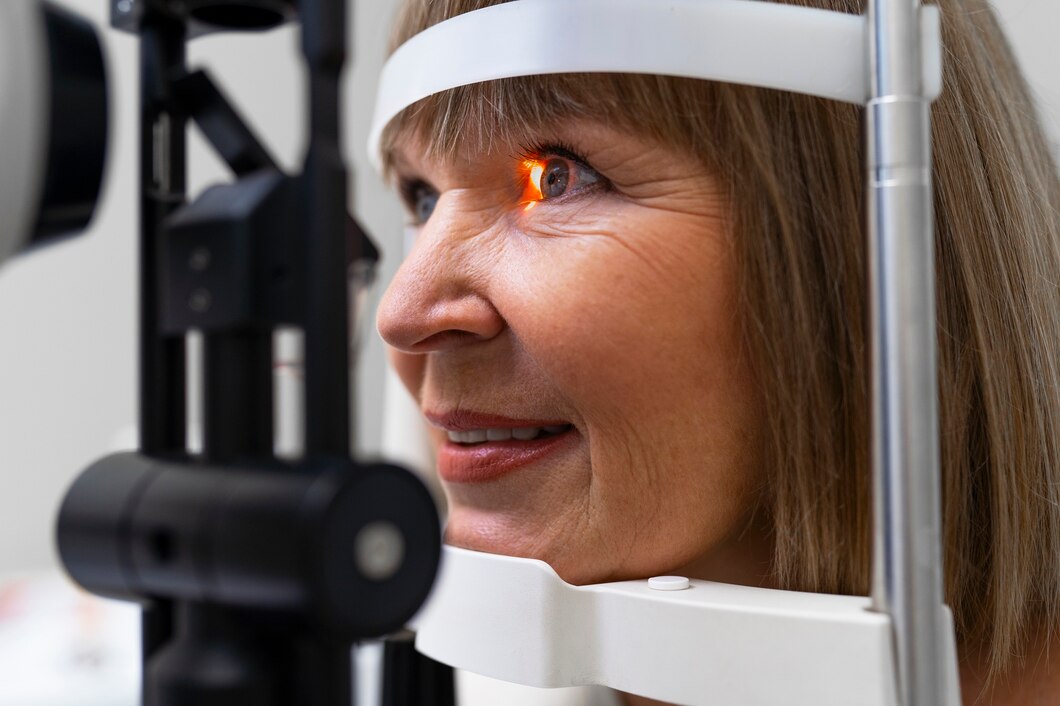
First, make sure to get your eyes checked regularly. This way, you can catch any changes in your vision early and get new glasses if needed.
Second, be sure to give your eye doctor your complete medical history. This information can help them choose the right prescription for you.
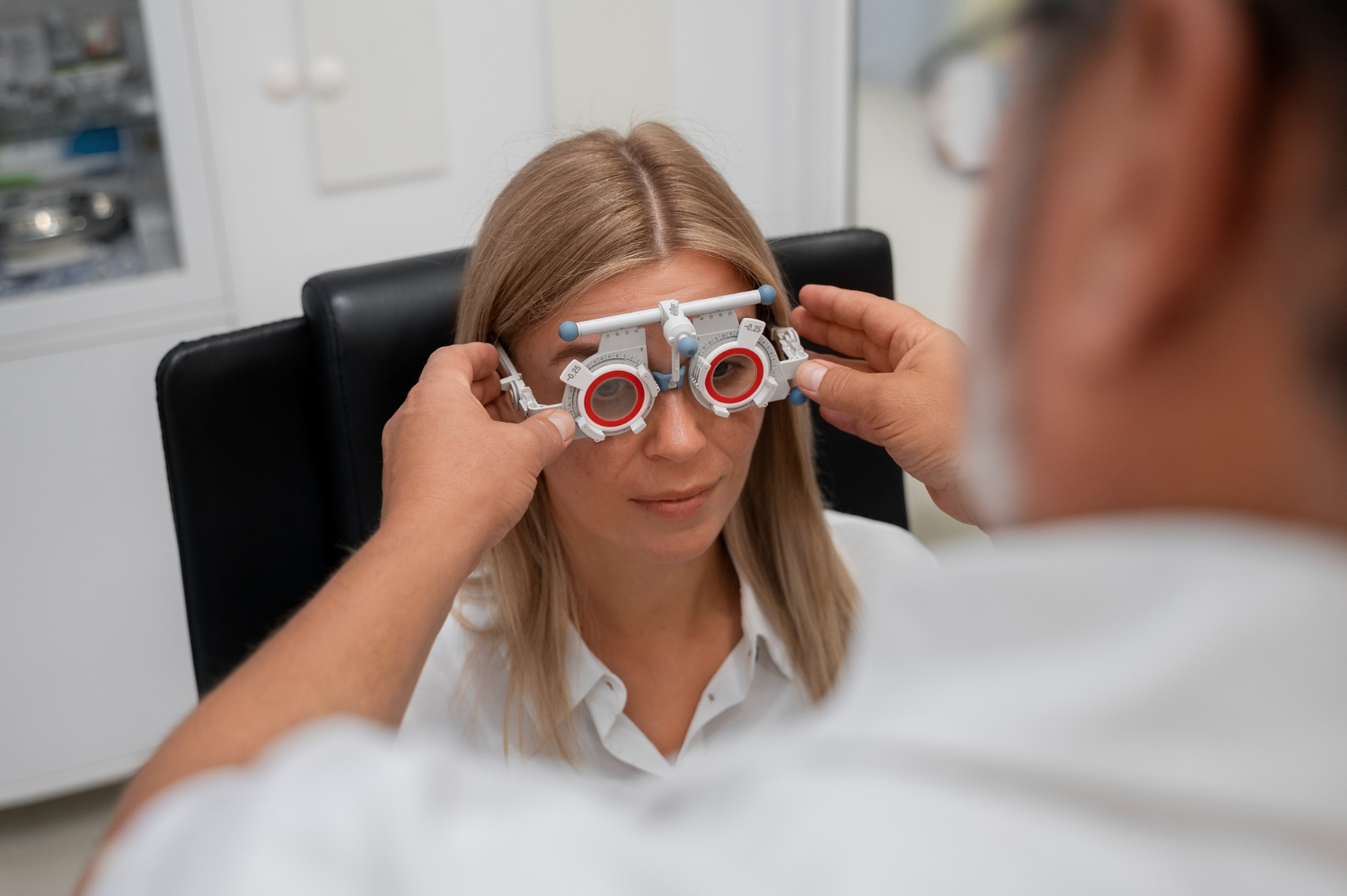
Finally, if you are unsure about your prescription, ask for a trial pair of glasses. This will allow you to test the glasses before committing to them.
Final Thoughts
It’s important to wear the correct prescription glasses. Wearing the wrong prescription can cause various side effects, including nausea, fatigue, blurred vision, headaches, and even vertigo. If you experience any of these side effects while wearing glasses, see an eye doctor to get the correct prescription.
If you feel like you have the wrong prescription glasses for your eyesight, check out Valley Laser Eye Centre. We will connect you with a leading ophthalmologist in Abbotsford, so you can identify the best treatments for your eyes. Book a consultation to get started today.
Disclaimer: This blog post does not replace medical advice and should not be implemented prior to consulting a fully certified medical professional.