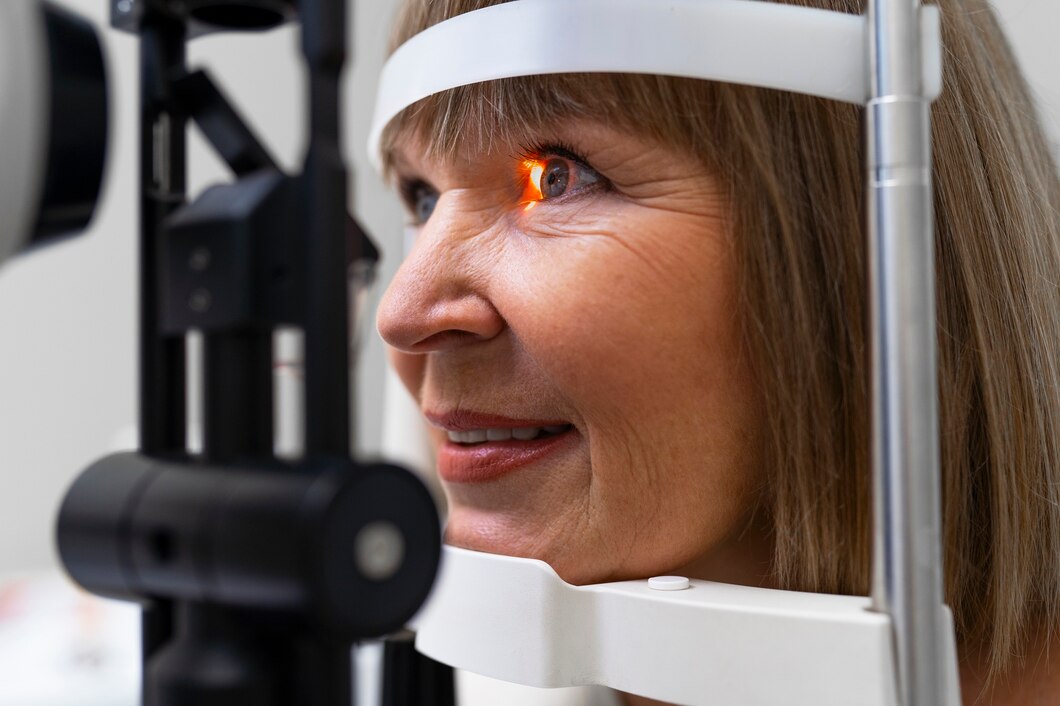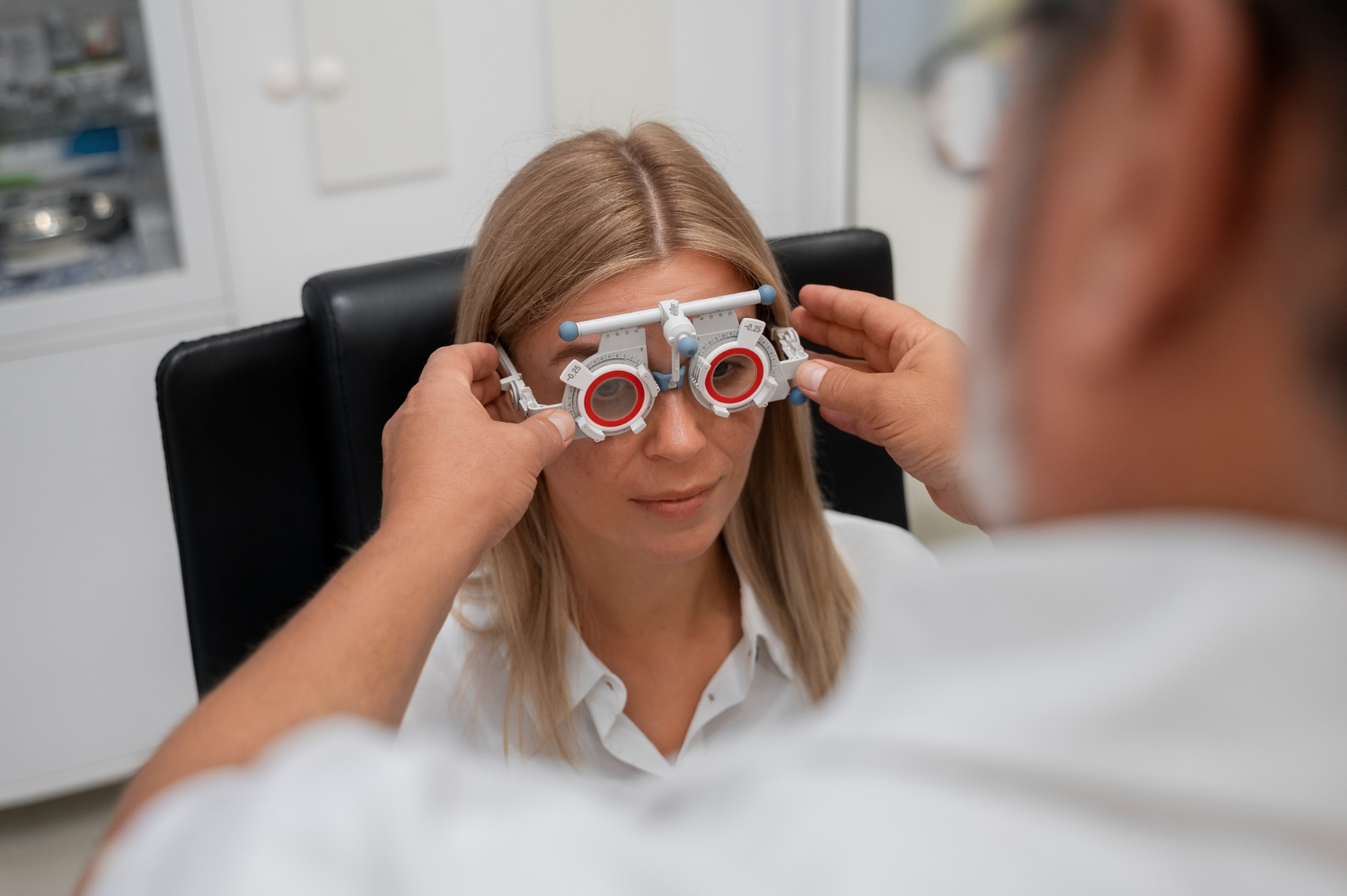
If your vision gets cloudy because you have a cataract, your doctor may suggest surgery to remove the lens of your eye and replace it with an artificial one. It’s a common and safe procedure, and when it’s done, you’ll be able to see better.
Cataracts usually develop slowly and can affect one or both eyes. In most cases, cataracts can be treated with surgery. Surgery is safe and effective, and it can help improve your vision.
Here is everything you should know before getting cataract surgery.
Should You Get Cataract Surgery?
A cataract is a condition that affects your vision, and it can cause your vision to become cloudy or blurry. If you have a cataract, you may not need surgery to fix it. You might be able to improve your vision by wearing prescription glasses, using a magnifying lens, or relying on brighter lighting.
As cataracts get worse, they can cause more symptoms. Your vision may be blurry or dim. You may also see double when you look through the eye with the cataract. These problems can make it hard to read, work on a computer, and do anything else that requires clear eyesight.
What to Prepare before Cataract Surgery?
It is common for people to experience some anxiety before surgery. However, it is important to remember that this is a routine procedure that is performed every day. The staff at the hospital or surgery center will be very familiar with the process and will do everything they can to make you comfortable.
You will be given a sedative to help you relax before the surgery begins. Once you are asleep, the surgeon will make a small incision in your eye and then insert the artificial lens.
How Does Cataract Surgery Work?
During the procedure, your doctor will make a small cut in your eye to remove the cataract. They will then place an artificial lens in your eye. The surgery to remove a cataract is usually quick, taking less than an hour. The surgeon will make a small cut in the front of the eye, using a laser. They will then insert a small tool to break up the cataract and gently suction it out.
After the cataract has been removed, the surgeon will insert a new lens made of plastic, silicone, or acrylic. The incision will then be closed.
After the procedure, you will not be able to drive yourself home. Make sure you have someone to pick you up and take you home.
Side Effects of Cataract Surgery
Cataract surgery is considered to be a very safe procedure, but like all surgeries, there are some risks involved. These risks include:
- Bleeding
- Infection
- Swelling
- Temporary rise in eye pressure (12-24 hours after surgery)
- Retinal detachment
- Drooping eyelid
Conclusion
Cataract surgery is a very common and safe procedure that can help improve your vision. If you are considering surgery, be sure to talk to your doctor about the risks and benefits.
If you have cataracts and wish to undergo surgery, Valley Laser Eye Centre has you covered. We offer cataract surgery in Abbotsford to improve your eye health. Get in touch with us today to learn more.