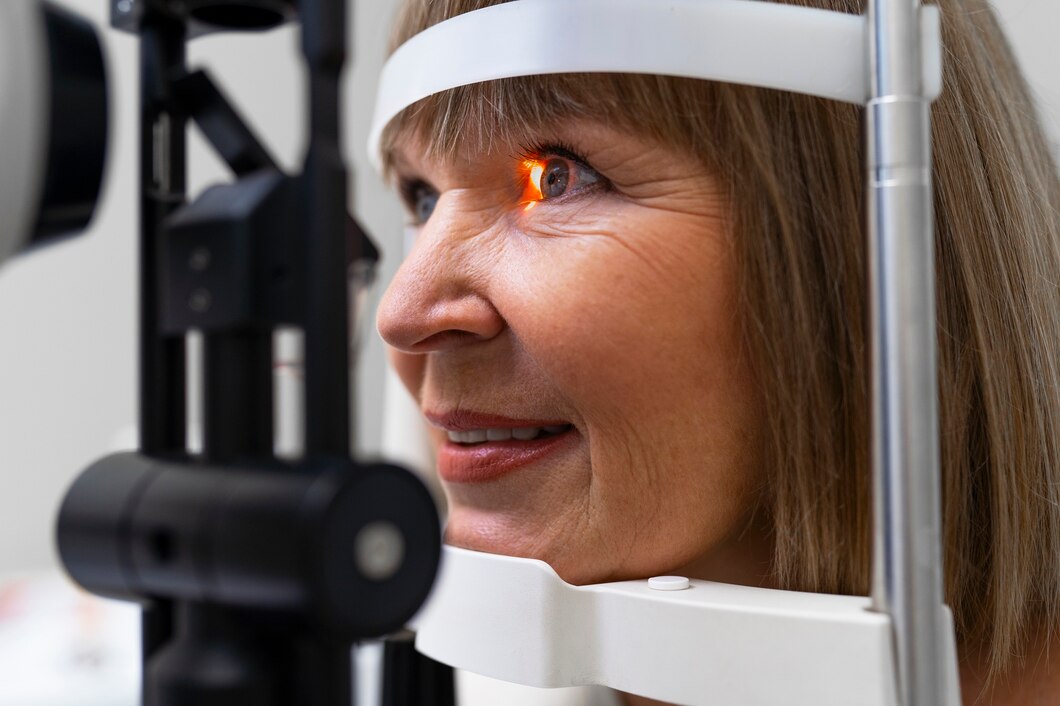
LASIK eye surgery is the best solution for anyone who has issues with their eyesight because it’s quick, easy, and painless. What’s even better is that a person can get other types of laser eye surgeries even if they’re not fit for LASIK, such as PRK and implantable contact lenses. Anyone who has undergone laser eye surgery will say that it’s life-changing because they could see or do things they previously couldn’t, such as driving a car and reading without any problems.
However, it’s important to remember that laser eye surgery is still a surgical procedure, meaning there are things that you should and should not do during your recovery period. We will discuss this in further detail through this article, so read on below to get started.
Things to Do After Laser Eye Surgery
#1 – Always Follow Your Doctor’s Instructions
After your surgery, your surgeon will give you specific aftercare instructions that you must follow to ensure a faster yet successful recovery.
#2 – Avoid Using Any Electronic Device
Common sense dictates that you should avoid using any electronic device after getting laser eye surgery. That means you can’t use your phone, TV, or anything with a screen in it. The screens can strain the eyes, which causes them to dry out and renders the surgery useless. The ideal waiting period is 24 to 48 hours, though you may need to use lubricating eye drops until the eyes are fully healed.
#3 – Allow Your Eyes to Rest
Regardless if you may still have energy after getting laser eye surgery, you need to rest your eyes to give them time to heal.
#4 – Avoid Reading Anything
Similar to avoiding any electronic device with a screen, you should also avoid reading anything. That means avoiding any printed media such as books, magazines, and more. Since your eyes will focus on the test, it places a strain on your eyes.
#5 – Use UV-Protective Sunglasses
Naturally, your eyes will be sensitive after your surgery. You need to avoid very bright lights—indoors and outdoors. Using UV-protective sunglasses is the perfect solution because it safeguards your eyes from anything bright.
#6 – Don’t Take a Shower
You can take a bath in a bathtub, but you must not take a shower because the water and steam will affect your eyes after your surgery. Conversely, you should also avoid swimming pools, saunas, and steam rooms.
#7 – Don’t Wear Any Eye Makeup
You shouldn’t use eye makeup for at least a week or two after getting laser eye surgery because it can attract bacteria. If bacteria gets to your eyes, they can get infected.
#8 – Avoid Playing Sports or Exercising
If you lead an active lifestyle, you’ll need to set it aside post-surgery because strenuous activities can strain the eyes.
#9 – Take Any Prescribed Medication
If your doctor prescribes medications for your recovery, take them as per the instructions. This also applies to eye drops, and you must not stop using them unless your doctor gives you the all-clear.
#10 – Go to All Follow-up Appointments
Your doctor will arrange an appointment after your surgery, which will likely happen the day after it. Aside from that, you may also get another appointment after three to four weeks and again after 6 months. All of these appointments are for monitoring your recovery and healing, so you must go to all of them.
Conclusion
All of these steps must be done to ensure proper healing and recovery after getting laser eye surgery. If you don’t follow them, there’s a chance that side effects may happen, and any discomfort may last longer.
Valley Laser Eye Centre provides top-quality services for laser eye surgery in Abbotsford. Our experienced eye professionals will monitor you throughout your surgery and during your recovery period—all for a reasonable price. Contact us today for a consultation!
Disclaimer: This blog post does not replace medical advice and should not be implemented prior to consulting a fully certified medical professional.