Our eyes are supposedly windows to our souls. This quote must be true because losing it can drastically affect our lives. In a 1992 film, the gradual loss of his eyesight made Al Pacino’s character cantankerous. This loss made him lose hope.
Medical advancement made miracles happen. If you have lost sight, you do not have to undergo the misery that befell Al Pacino’s character because you can have LASIK surgery. However, this procedure has some minor side effects, so it would be prudent to learn more about this operation before committing yourself.
Does LASIK Worsen Allergies?
Despite the benefits of LASIK surgery, there are some reported side effects. You might have heard that it will worsen your allergies. However, it does cause temporary dry eyes. Fortunately, tear production returns to normal after several months.
Is the discomfort worth it? According to the US National Center for Biotechnology Information, more than 90% of patients respond positively to the operation. Although this study is a bit old, the numbers are still relatively accurate.
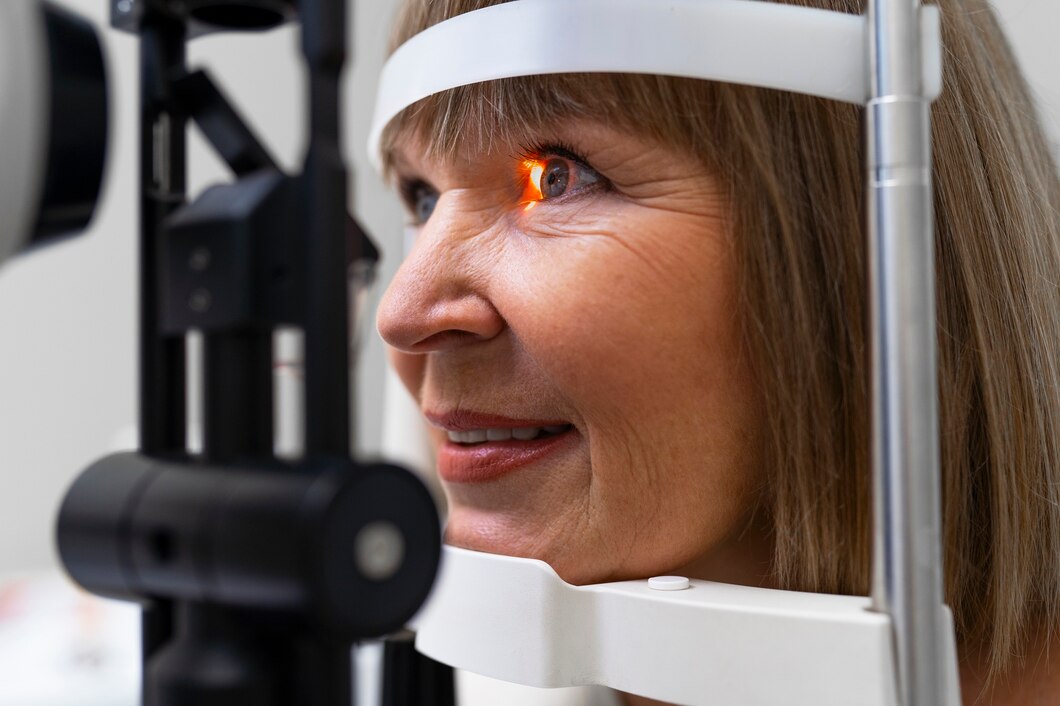
The surgeon will make incisions on your corneas. Since this is a surgical procedure, there are risks involved. For one thing, the entire procedure relies on the accuracy of the device used during surgery. It includes the patient’s refractive error, the surgeon’s experience, and the refractive device used.
You should feel safe that the surgeon will utilize the best technology available. They will also use laser vision correction devices made by the most reliable optometry companies. You should also feel relieved that the most recent type of laser is more accurate.
How Can You Reduce the Effects of Dry Eyes?
As mentioned, the effects of LASIK surgery are only temporary. You further lessen its impact. It is crucial to do the following:
Do Not Touch Your Eyes
When you touch your eyes, you increase the possibility of infection. You might be tempted to rub your eyes and clear your vision. However, this action could also worsen your dry eyes.
It would also expose your cornea to allergens and bacteria, triggering conjunctivitis. It is a very unpleasant condition that can cause swelling and redness.
Religiously Follow Your Doctor’s Instructions.
After the LASIK surgery, your doctor should give you several instructions. It is essential to follow these instructions, from applying eye drops to lessening your screentime. You can also use eye patches to prevent your eyes from rubbing against your pillow.
It is also essential to stick to your prescribed regimen. Use the medication and eye drops regularly. The sooner you follow your doctor’s instructions, the quicker your eyes heal.
Avoid Using Facial Care Products During the Post-Op Stage
After your LASIK surgery, you must avoid using facial care products. It is only for the meantime. After the LASIK procedure, the surgeon will signal you to use facial care products. They will also tell you the specific products to use.
Please do not use facial care products before your surgeon’s approval. Overuse of unsuitable facial care products during the post-op stage can lead to infection and inflammation.
Conclusion
LASIK was groundbreaking technology when it was first invented. This technology has made it possible to achieve perfect vision without using eyeglasses or contact lenses.
The surgery might have some minor side effects, but the impact of the surgery is well worth the side effects. It is an excellent choice for those tired of using eyeglasses or contact lenses.
You should have LASIK surgery from Valley Laser Eye Centre to restore your eyesight. We will give you back your life by restoring your vision. Contact us now for an appointment!
This blog post does not replace medical advice and should not be implemented before consulting a fully certified medical professional.