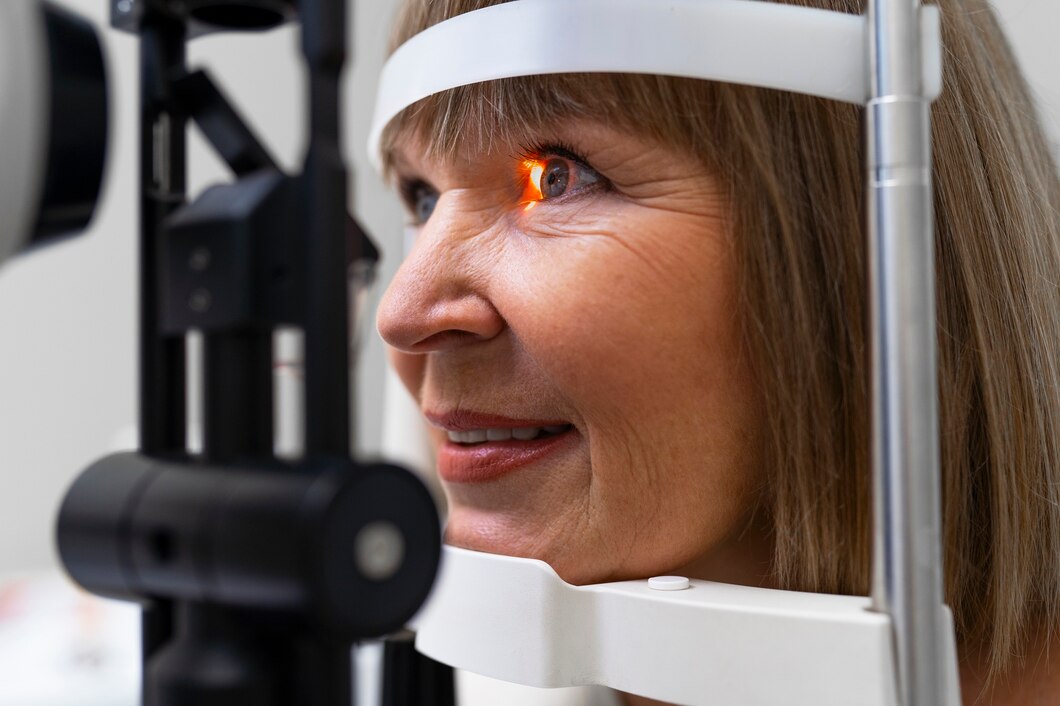
The recovery time for your cataract surgery doesn’t usually take too long. Yet, the length of your recovery period largely depends on your cataracts (its nature and size) and how well you follow post-surgery care suggestions from your doctor.
You will likely experience a feeling of soreness and a little discomfort, but that will not last for more than a couple of days. You may even get blurred or distorted vision after removing the eye shield. Don’t panic just yet, because your eye needs to adjust to the cataract surgery and adapt to the replacement intraocular lens. There are patients who feel normal as early as a day after the surgery, but you shouldn’t worry too much if you aren’t like that.
If you want to speed up your recovery period, here are several tips to help you:
1. Take Note of Your Doctor’s Instructions
Typically, eye doctors prescribe anti-inflammatory eye drops to prevent the occurrence of infection and internal inflammation. You’ll probably have to use the eye drops a few times a day, at least for the first one to two weeks after your surgery. Just make sure you apply the drops as advised.
Also, contact your doctor immediately if you experience:
- Excessive eye discharge
- Worsening eyesight
- Intense eye pain
- Unchanging swelling and redness days after the surgery
- Strange change in your field of vision with flashes of light
2. Have a Designated Driver on the Day of the Surgery
Keep in mind that your eye will be bandaged after the surgery, so you’ll have limited vision. Even if you don’t experience any pain, it’s still not safe to drive yourself home, so it’s better to ask a family member or a friend to give you a ride after the procedure. You might also want to ask them to be your designated driver for one to two days after your surgery, just to be safe.
3. Don’t Exercise For One to Two Weeks
You must avoid doing any strenuous activity for a week or two after the surgery because it will put you at risk of injury due to your impaired vision. But besides that, physical activities can also put pressure on your head and eye, which can cause complications after the surgery. Aside from postponing your workouts, you should also avoid any heavy lifting and swimming.
When you resume your workouts after at least a week, be sure to start slow and light, and make sure you get clearance from your doctor before you do.
4. Consider Wearing Glasses for a Few Weeks
You don’t want your eyes to get irritated by wind and dust particles when you get laser eye surgery to remove a cataract. This is why it’s a good idea for you to wear glasses for additional protection, especially if you go out a lot.
5. Never Rub Your Eye
You probably already know this, but it’s worth repeating because so many people still make this mistake and end up with irritated and inflamed eyes. Your eyes may feel itchy after your surgery, but that’s what the eye drops are for. If you feel the urge to rub your eye, consider wearing the patch again.
Conclusion
It pays to prepare yourself not only for the surgery but also for the recovery period. Even if you don’t feel any pain, it’s still best to take precautionary measures and follow your doctor’s orders to ensure that no complications occur.
If you are experiencing symptoms of cataracts, come for a consultation at Valley Laser Eye Centre, the best laser eye clinic in Abbotsford, BC. Dr. John Blaylock can determine if you need surgery and, together with our expert team, provide you with the right solution for your needs. Get in touch with us today to learn more about our vision correction services!
Disclaimer: This blog post does not replace medical advice and should not be implemented prior to consulting a fully certified medical professional.