The easiest and quickest solution for people suffering from poor vision is to get glasses and wear contacts. However, there are instances when these two vision aids are not enough. This could be the case for athletes who participate in contact sports or swimming. Some need a better option to be able to pursue a particular profession without problem, like aspiring chefs.
For these people, LASIK eye surgery is the smartest alternative.
What is LASIK?
An abbreviation for laser in-situ keratomileusis, this is a popular procedure meant to correct vision in people with myopia, hyperopia, or astigmatism.
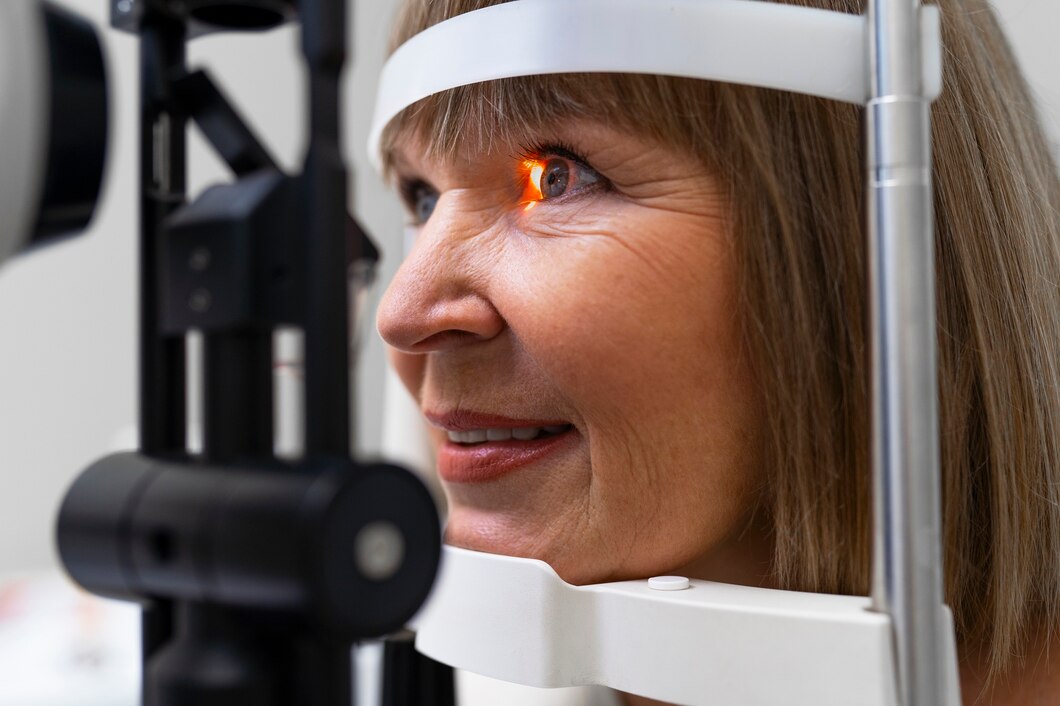
A trained ophthalmic surgeon uses a computer-controlled non-thermal laser to correct the eyes’ curvature and reshape the cornea. The beam of light helps remove microscopic bits of tissue in this part of the eye. For cases of nearsightedness, the cornea is flattened. It can also be steepened to treat farsightedness. Lastly, for astigmatism, the laser is used to correct corneal irregularities.
Laser eye surgery often helps these people achieve 20/25 vision immediately after surgery. On top of this, the vision may continue to improve for a year. With this, individuals don’t need to use their glasses or contact lenses as much or at all.
What’s even better is that this life-changing procedure is outpatient and minimally invasive. However, since it is essentially still a surgical procedure, there are possibilities of side effects and risks.
What are the Risks of LASIK Eye Surgery?
All types of surgical procedures have risks. That said, patients who have undergone LASIK surgery may experience some side effects, but they are rare and usually go away over time. They include:
- Dry eyes
- Scratchy eyes
- Small bruises around the eye
- Sensitivity to light or glare
- Seeing halos around images
- Fluctuating vision
When Should You Get Laser Eye Surgery?
If your glasses or contact lenses are hindering you from performing your best in your career or daily activities, getting LASIK may be the best solution. It is considered as a permanent solution, although eye problems can return over time. For these instances, you can get LASIK enhancement to restore clear vision.
Who is Qualified to Get LASIK Surgery?
Certain factors make a certain person a qualified candidate for this procedure; here are some of them:
- The patient must have a vision problem such as myopia, hyperopia, or astigmatism.
- Aside from those above, the patient must have healthy eyes. This means that there are no other problems such as infection, cataract, severe dry eye, or other issues that may cause postoperative complications.
- The patient must be at the age of 21 or above.
- The patient must have no problems with vision impairment for at least a year before the procedure.
Those who are pregnant or nursing are not advised to get this procedure as their changing hormonal levels can affect the shape of their eyes. Furthermore, those with degenerative or autoimmune disease are not qualified as their condition will affect postoperative healing.
Conclusion
The information shared above is just a tip of the iceberg when it comes to this procedure. Once you have done your basic research, it is still best to visit a laser eye clinic to have your eyes examined by a licensed practitioner. From there, you will be guided as to the steps you must take to prepare for your LASIK eye surgery.
If you’re looking for the best laser eye clinic in Abbotsford, you’ve come to the right place! At Valley Laser Eye Centre, we pride ourselves with having state-of-the-art technology, a comfortable, setting, amazing staff, and highly trained practitioners. Call us at 1-604-504-3937 to know more about our services and book your consultation!
DISCLAIMER: This blog post does not replace medical advice and should not be implemented prior to consulting a fully certified medical professional.