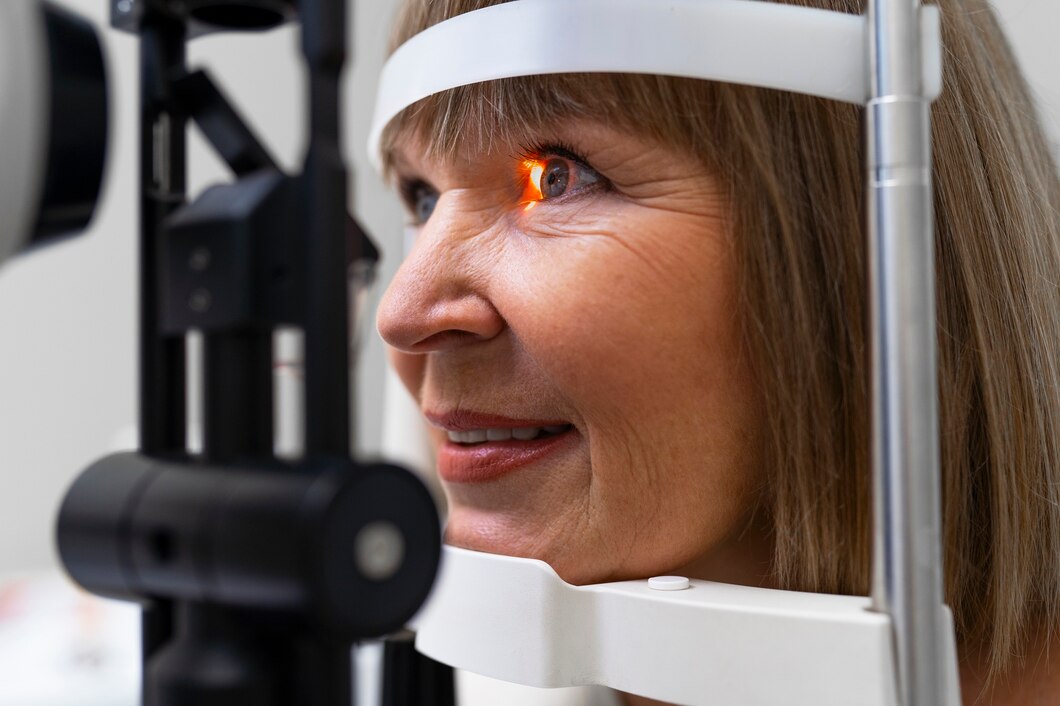
It’s quite alarming that cataracts are most common in those over the age of 40 in the United States. Blurred vision or even temporary blindness may occur due to these age-related eye problems. Fortunately, cataract surgery has a success rate of up to 98 percent, so there are choices for correcting your eyesight. Additionally, there are things you can do while you’re still young to lessen your chances of having age-related cataracts.
If you want to keep your eyes healthy and prevent the need for eye surgery, here are some lifestyle adjustments you may adopt:
1. Quit Smoking
Cigarette smoke can significantly lead to the formation of cataracts because the chemicals in the smoke combine with oxygen and create substances that cause oxidative stress in the body.
This stress can lead to cataracts, so you should stop smoking as soon as you can. Moreover, you should also avoid inhaling secondhand smoke. If you smoke and have cataracts, quitting will improve your vision. If you wait until after surgery to stop smoking, reversing the problem will be more difficult.
2. Watch Your Alcohol Consumption
Drinking excessive amounts of alcohol can put a lot of pressure on your liver. Your liver produces bile, which contains several constituents responsible for your eyes’ health. If the body is already under strain, it can reduce the production of these constituents, which can lead to cataracts. The liver needs to be functioning correctly so that your eyes can function properly.
3. Reduce Your Stress Levels
Stress puts a tremendous strain on the human body and can lead to many health problems, including cataracts. It’s a broad term, but it can encompass anxiety, depression, and insomnia, among other things.
Any form of stress can contribute to the development of cataracts. If you can reduce your stress levels, it will improve your general health, but it will also help preserve your eyesight.
4. Keep Your Vision Stress-Free
Staring at the computer screen or reading in poor lighting for long periods can lead to eye strain and make you more prone to developing cataracts. You may not notice it straight away, but it can damage your eyesight if you focus on distant objects for long periods.
If you can’t bring your computer closer to you, you should use a desktop computer rather than a laptop to have a larger screen. If you spend a lot of time on the computer, take regular breaks and relax your eyes by looking at something further away.
5. Eat a Healthy Diet
An age-related cataract is a result of oxidative stress on the human body. Free radicals are responsible for the creation of oxidative stress. You can reduce them by exercising and eating a diet rich in antioxidants.
Where can you find antioxidants? Antioxidants can be found in foods such as bananas, spinach, beets, and other green leafy vegetables, so make sure to stock up on those.
6. Get Plenty of Vitamin A
Vitamin A is crucial in the prevention of cataracts. It can help reduce the risk of age-related cataracts and is found in various food sources. The best sources include fish, liver, eggs, and dairy products.
These lifestyle changes may help you avoid age-related cataracts and the need for cataract surgery. For more information about cataracts and cataract surgery, contact a professional.
Conclusion
A cataract is a common condition of the eyes. It is a type of clouding that occurs when the natural lens inside the eye becomes too hard and brittle to help focus the eye’s blurry vision. Cataracts are most common in those over the age of 40 in the United States.
There are some lifestyle choices that you can make to reduce your risk of getting cataracts while still young. Your preferences may either enhance or reduce your chance of developing cataracts.
They include quitting smoking, reducing your alcohol consumption, reducing your stress levels, having regular eye checks, exercising your eyes, and reducing your stress levels.
If you want to keep your eyes healthy, make some lifestyle adjustments. While you’re still young, you can avoid the need for cataract surgery.
Valley Laser Eye Centre is the best laser eye clinic in Abbotsford, British Columbia. We deploy cutting-edge technology in a welcoming environment with an exceptional workforce. Please contact us.